Virat Kohli IPL 2026 stats and form: verified baseline, matchup guide and Consider11 fantasy plan
Searching for Virat Kohli’s IPL 2026 stats should lead to a usable answer, not a made-up total. The official IPL squad profile available during this update still displays his completed 2025 season line and confirms that Royal Challengers Bengaluru retained him for 2026. It does not show a complete, verified 2026 aggregate on the page we checked. This Consider11 guide therefore separates the official baseline from the live indicators fantasy players should update before every match: recent runs, balls faced, batting position, boundary rate, venue, opposition bowling type and chase context.
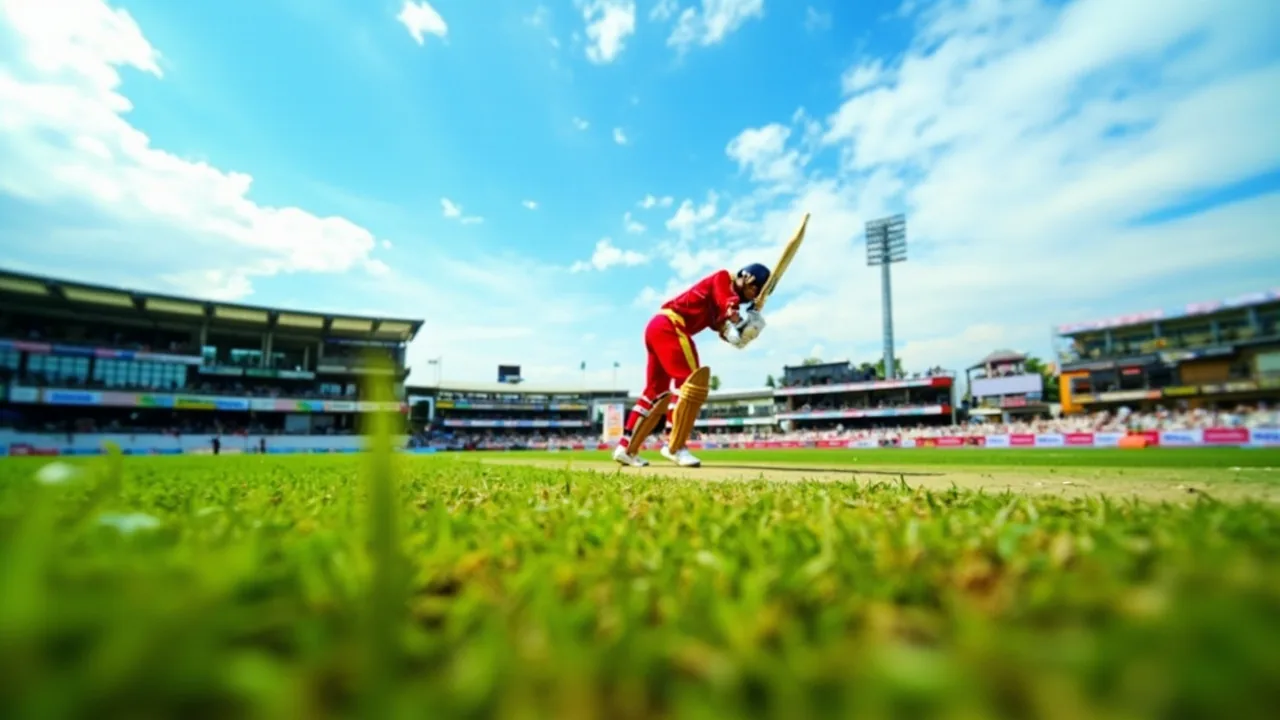
Verified Virat Kohli stats baseline before an IPL 2026 selection
The safest starting point is the official IPL profile. It lists Kohli as the tournament’s all-time leading run-scorer with 8,661 runs in 267 matches, credits him with the single-season record of 973 runs in 2016, and records eight IPL centuries. For the completed 2025 season, the same page reports 657 runs in 15 matches, a batting average of 54.75, and a strike rate of 144.71. It also records a 43-run contribution in the final against Punjab Kings as RCB won their first IPL title.
| Verified measure | Official figure | How it helps a 2026 fantasy decision |
|---|---|---|
| IPL career runs | 8,661 in 267 matches | Shows an exceptional long-term scoring floor, but should not replace current-role checks. |
| Best IPL season | 973 runs in 2016 | Useful historical ceiling, not a projection for a single 2026 match. |
| IPL centuries | 8 | Supports a high ceiling when he bats through the innings. |
| 2025 season | 657 runs in 15 matches | The latest completed-season baseline shown on the official page. |
| 2025 average | 54.75 | Evidence of consistency across the completed season. |
| 2025 strike rate | 144.71 | Evidence that volume came with a strong scoring tempo. |
| 2025 final | 43 runs vs Punjab Kings | A high-pressure contribution, but one innings should not be over-weighted. |
Important data note: these are verified 2025 and career figures presented on the official IPL site, not a claimed 2026 season total. A complete 2026 aggregate should be copied from the current official stats table or scorecards when it is available. Until then, label it unverified rather than extrapolating from 2025.
What “IPL 2026 form” should mean for fantasy cricket
Form is often reduced to runs in the last match. That is too narrow. A batter can score 22 from 13 balls while looking in excellent touch, or make 46 from 42 on a difficult surface while preserving the innings. For fantasy purposes, form should be a bundle of repeatable opportunities: opening position, expected balls faced, time spent in the powerplay, boundary frequency, control against the likely bowling attack, and the chance of batting through to the fifteenth over.
Build a five-innings tracker with six columns: runs, balls, batting position, fours and sixes, dismissal type, and phase at dismissal. Add a seventh column for venue-adjusted context. Fifty at Bengaluru and fifty on a slow, gripping surface are both valuable, but they imply different ceiling paths. The first may be driven by boundary volume; the second may come from strike rotation and survival. That distinction matters when deciding between a safe head-to-head lineup and a high-variance grand-league captain.

- Role signal: opening or batting at number three normally creates more delivery volume than a lower middle-order role.
- Tempo signal: compare runs with balls faced; a run total without strike-rate context can hide pressure.
- Boundary signal: repeated fours and sixes raise the fantasy ceiling even before a fifty bonus is considered.
- Dismissal signal: note whether the same matchup is causing repeated problems, such as early movement or leg-spin outside the powerplay.
- Context signal: separate controlled chases from forced acceleration after early wickets.
Powerplay, middle overs and death overs: where Kohli’s points are built
Kohli’s value begins with delivery access. As an opener, he can face the new ball when only two fielders are outside the circle. The upside is obvious: driven fours, clips through midwicket, and a chance to bank runs before matchups become specialised. The risk is also clear. A fresh seamer with swing, a left-arm angle across him, or a hard length aimed at the top of off stump can end the innings before volume arrives. Check the opponent’s probable new-ball pair before treating his historical average as an automatic selection.
The middle overs are often the most revealing phase. If Kohli reaches over seven with control, his fantasy floor improves because he can accumulate singles while waiting for boundary balls. Track dot-ball clusters and strike rotation against leg-spin and left-arm orthodox bowling. A batter does not need to attack every spinner to remain a strong fantasy choice, but a rising dot-ball share may push him toward a late, higher-risk acceleration.
At the death, opportunity depends on how much of the innings remains. If RCB start quickly and Kohli is still set after over fifteen, he gains access to milestone, boundary and not-out upside. If partners consume most late deliveries, the raw score may remain good without reaching a slate-winning ceiling. That is why balls faced and phase progression deserve equal space beside runs in any IPL 2026 form sheet.
Matchup analysis: pace, spin and likely dismissal routes
Start with the first twelve balls. Against conventional right-arm pace, Kohli’s scoring zones can open through cover and midwicket when the line drifts full or straight. Against left-arm pace, the ball travelling across the right-hander changes both the edge risk and the value of a stable non-striker. Rather than using a lifetime reputation, review the opponent’s current new-ball allocation: who takes over one, who attacks the stumps, and who has a second over inside the powerplay.
Spin requires a different audit. Look beyond the label “good against spin” or “slow against spin.” Record balls per boundary, dot-ball percentage, and dismissal type against each style. Leg-spin can challenge the outside edge and deep-cover boundary plan; left-arm orthodox can compress room and test strike rotation. If the opposition has two high-quality middle-overs spinners, Kohli may remain a sound floor pick while a more explosive teammate becomes the higher-ceiling captain.

A practical matchup grade can be simple. Award one point if the likely new-ball attack lacks a specialist swing bowler, one if the venue rewards orthodox stroke play, one if RCB are expected to chase a manageable target, and one if recent innings show stable powerplay control. Remove a point for repeated dismissals to the same angle, a visibly reduced batting role, or an injury/availability concern. The result is not a prediction of runs; it is a disciplined way to compare Kohli with other premium choices.
Venue, innings and target context that change his ceiling
Venue analysis should answer three questions. How much new-ball movement is typical? How quickly does the outfield reward timing? How does the surface change after six overs? A small ground is not automatically a batting paradise if the pitch grips or the new ball seams. Conversely, a larger venue can still suit an accumulator if twos are available and the straight boundaries reward set batters.
Chasing often clarifies role because the target supplies a required rate. In a chase below roughly nine runs per over, an opener can build through the innings without forcing every matchup. In a steep chase, boundary demand arrives earlier and dismissal risk rises. Batting first creates another uncertainty: RCB may choose a conservative platform or attack immediately depending on pitch evidence and lineup depth. Use toss-confirmed conditions rather than a pre-match narrative.
| Match context | Kohli fantasy interpretation | Captaincy lean |
|---|---|---|
| RCB chase a moderate target | High delivery-volume and innings-control potential | Strong floor candidate |
| RCB chase an extreme target | More boundary upside but higher early dismissal risk | Grand-league friendly, less secure |
| Fresh pitch with limited swing | Powerplay stroke-making becomes more attractive | Upgrade if opening is confirmed |
| Used or slow surface | Strike rotation and spin matchups become decisive | Compare with all-rounders and bowlers |
| Rain-shortened match | Fewer balls reduce the value of gradual accumulation | Downgrade unless boundary intent is clear |
Dew is a supporting factor, not a guarantee. It can reduce grip for spinners and make chasing easier, but a wet ball does not erase scoreboard pressure or new-ball risk. Confirm the latest venue report, weather and toss before moving Kohli from a regular batter slot to captain or vice-captain.
Consider11 captain, vice-captain or regular pick?
Use Kohli as captain when three conditions align: he is confirmed in the top two, the matchup does not contain an obvious early-overs threat, and the innings environment supports at least twelve to fifteen overs of batting opportunity. This profile favours smaller contests because the route to points is understandable: deliveries faced, runs, boundaries and milestones. It does not require a rare secondary skill event.
Vice-captain can be the better balance when his floor is strong but another player has two scoring routes. An all-rounder who bats in the top six and bowls four overs can outscore a pure batter without making a fifty. Similarly, a powerplay-and-death bowler can access wickets in two high-value phases. Kohli remains a premium selection, but multiplier allocation should compare opportunity channels rather than fame.
For grand leagues, ownership matters. A highly selected Kohli captain can protect rank if he succeeds but offers little separation from the field. A contrarian structure might keep him as a regular batter while assigning the multiplier to a lower-owned opener, all-rounder or strike bowler. Do not fade him merely to be different; fade only when matchup, role or game script supplies a coherent reason.
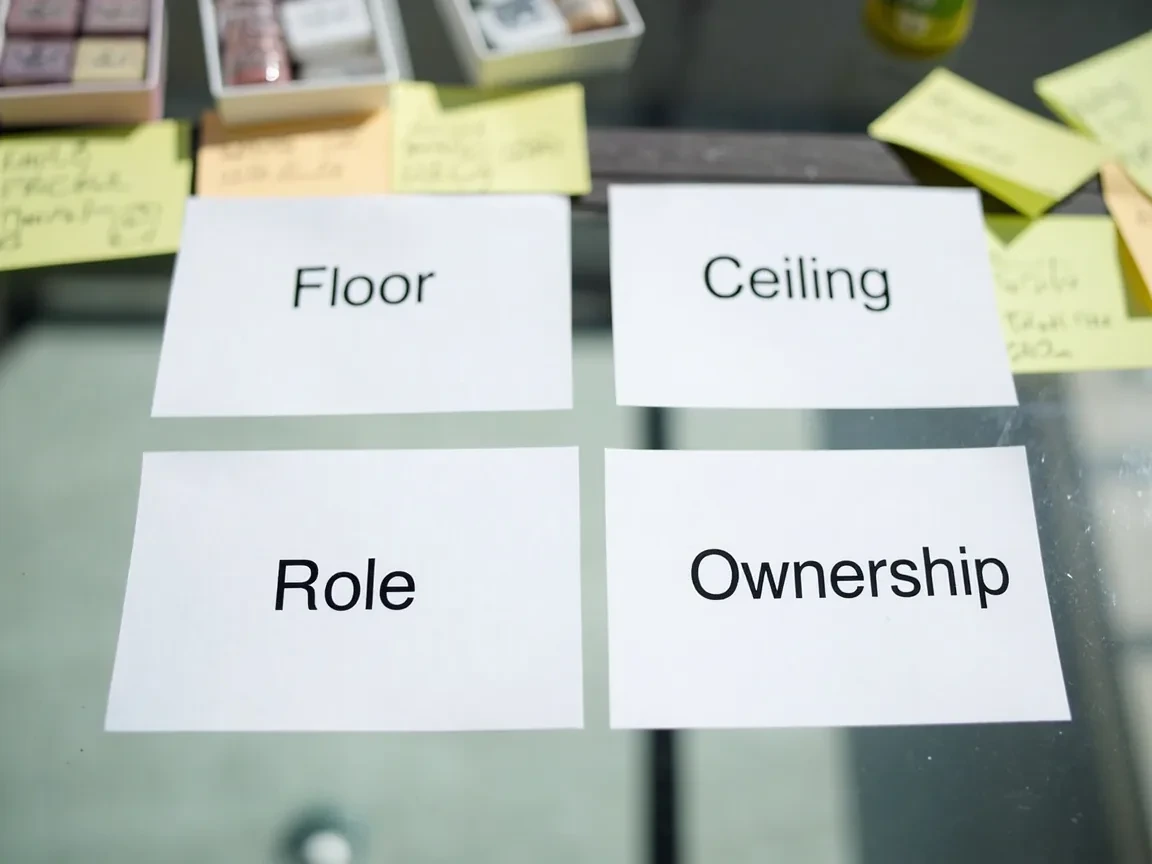
A toss-to-lock workflow for every RCB match
- Verify the playing XI. Do not rely on an expected lineup after the toss. Confirm that Kohli is named and note any Impact Player structure that changes batting depth.
- Confirm batting position. Opening is the default high-volume case. Any move to number three changes projected balls faced and increases dependence on an early wicket.
- Read the surface report. Separate grass and swing from dryness and grip. Match the surface to the opponent’s first six-over bowling plan.
- Build the opponent map. Mark the probable new-ball bowlers, middle-over spinners and death specialists. Ask which of them can attack Kohli before he is set.
- Update the last-five sheet. Add runs, balls, boundaries, phase and dismissal. Averages alone conceal role changes and tempo.
- Compare multipliers. Put Kohli beside the best all-rounder, opener and strike bowler. Compare expected opportunities rather than projected points from a black-box model.
- Recheck weather and overs. A shortened game can favour immediate hitters over accumulation. Make the final adjustment only after revised playing conditions are clear.
This workflow takes a few minutes and protects against the two most common fantasy errors: selecting from old season totals without checking today’s role, and chasing the last innings without asking whether it was repeatable. The official 2025 baseline supports Kohli’s consistency, but the current match determines whether that consistency deserves a multiplier.
Data-quality checks, risk flags and final verdict
Three red flags should pause an automatic selection. First, an unverified graphic may mix career, season and recent-form figures without labels. Second, a social post may quote a 2026 total before the official scorecard or stats page is updated. Third, a fantasy preview may describe a venue as high-scoring without accounting for a changed pitch strip, rain or a shortened match. Trace every important number to the official IPL profile, official scorecards or a reputable cricket database.
The final verdict is deliberately conditional. Kohli enters IPL 2026 fantasy analysis with an elite official baseline: 657 runs at 54.75 and 144.71 in the completed 2025 season, plus the strongest long-term run record in IPL history. That makes him a default shortlist player whenever he opens. It does not make him an automatic captain in every match. Upgrade him when delivery volume, matchup and chase context align. Keep him as a regular pick when the floor remains strong but an all-rounder offers more scoring routes. Downgrade only when a concrete role, fitness, matchup or reduced-overs signal justifies it.
For more role-led analysis, visit the Consider11 players hub before lineup lock. The hub connects player profiles with venue, opposition and fantasy-selection guides so a single headline number never carries the entire decision.
Sources and update policy
The verified numbers in this guide come from the official IPL Virat Kohli squad profile, accessed on 15 July 2026. The page displays his 2025 season and career figures and says he was retained for the 2026 season. Because the fetched page did not provide a complete IPL 2026 aggregate, this article does not invent one. Recheck official scorecards and the current IPL stats table before each contest.