
West Indies hold 155-run lead after Greaves' career-best 5/27 collapses Pakistan in Trinidad
West Indies seamer Justin Greaves turned a promising Pakistan morning into a wreckage of seven wickets for 38 runs in a single post-lunch session, finishing with career-best Test figures of 5/27 to bowl Pakistan out for 282 and leave the hosts holding a 29-run first-innings advantage after three days of the first Test in Trinidad.
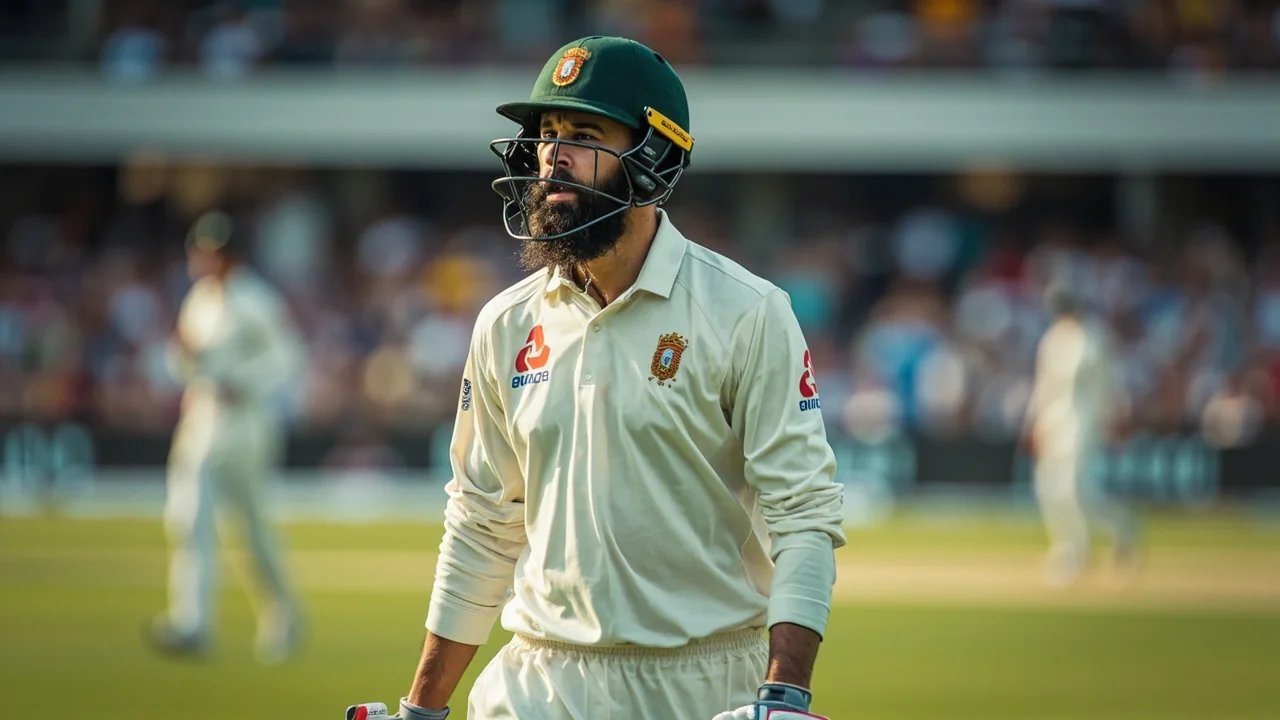
By the close Pakistan had clawed back into the contest through their most experienced pacer. Mohammad Abbas, working with metronomic precision on a sun-scorched surface, ended day three with three West Indies wickets in hand as the hosts slipped to 126/7 in their second innings, a lead of 155. The scoreboard sits in Pakistan's favour if Abbas can take three more before lunch on day four. The match situation sits in West Indies' favour if the lower order can add anything substantial at the start of play.
That is the texture of the day: a session that redefined the match, an afternoon of disciplined resistance from Pakistan's seam attack, and an evening that left both teams with something real to play for on a fourth day that will probably decide the result.
From 244/3 to 282 all out: the seven-wicket slide
Pakistan began the third morning in dominant shape. Shan Masood, the captain, was already deep into his seventh Test century. The scoreboard read 244/3, the partnership with Salman Agha was worth 47, and the West Indies bowling looked short of ideas on a surface that was still offering batters something in the morning hours. The reply to West Indies' first-innings 311 looked set to push past 350.
The slide began the moment Shamar Joseph beat Salman Agha's defence with a delivery that crashed into the stumps. The fourth-wicket stand was broken. Within minutes of that breakthrough, Greaves took over the attack with the kind of wicket-to-wicket discipline that leaves batters with no margin for error. Each spell was short. Each length was repeatable. Each wicket looked the same on the highlights reel.
Masood, who had batted for more than five hours and faced 184 deliveries for his 109 with 12 fours, was the first to fall to Greaves. He was bowled, not caught, beaten by a ball that perhaps held its line a fraction longer than the previous ones. From there, the rest of the Pakistan middle order and lower order followed in clusters. Pakistan lost seven wickets for 38 runs. The first-innings lead that had seemed assured became a 29-run deficit.
Only the last-wicket pair stalled the slide. Pakistan's tail held long enough to force West Indies to take the second new ball and bring Kemar Roach back into the attack to finish the innings. Khurram Shazad was the final wicket, removed by Roach.

Greaves' 5/27: career-best figures earned the hard way
Greaves finished the innings with 5/27, his best return in Test cricket. The spell was not flashy. There were no express deliveries, no unusual bounce, no drift through the air. It was a spell built on accuracy, on hitting the top of off stump and asking batters to take risks they did not need to take. When Pakistan did take those risks, the edges carried.
That profile matters because it tells the story of a surface that was still demanding respect. Greaves did not bowl Pakistan out on a minefield. He bowled them out on a pitch where Masood had just batted five hours and where the morning had offered comfortable batting. The wickets came because the line and length did not vary. Once a batter decided to play away from the body or step across the stumps, the gap was always there.
The fifth wicket was the most satisfying for the home support. It completed a spell in which Greaves had run through a recognised batting unit on his own. That is rare in modern Test cricket. It is rarer still when the opposition captain is set and batting at the other end. Pakistan's collapse was not about one bad shot or one lucky delivery. It was about a sustained stretch of bowling that asked the same question over and over.
Abbas answers: the metronomic afternoon
If Greaves owned the early afternoon, Mohammad Abbas owned the late afternoon. With the surface beginning to show two-paced behaviour and the West Indies batters walking out for their second innings, Abbas went back to what he has done for a decade: hitting a length just outside off stump, asking batters to play, and waiting for the mistake.
His reward, by the close, was three wickets. The first came with a fuller ball that drew a batter forward and found the edge. The second was a patience job, a ball wide of off that the batter chased and top-edged. The third was the dismissal of Greaves himself, caught at cover by a diving Babar Azam for 20, the kind of catch that the captain takes to remind the side he is still the captain on the field even if his bat has been quiet in this Test.
"We didn't execute our plans the way we should have on the first day but for the second day and the second innings our bowlers hit the right areas and bowled a bit up (fuller)," said Pakistan bowling coach Umar Gul, who was particularly pleased with the way Abbas led the attack.
Gul's description of "metronomic" is accurate on the evidence of the day. Abbas did not swing the ball dramatically. He did not extract steep bounce. He simply kept running up and bowling in the same corridor, the same pace, the same shape, and waited for the batters to try something different. By the close, seven West Indies wickets had fallen and the lead, while still 155, was beginning to feel less imposing than the morning session had suggested.
Shan Masood's 109 and the shape of Pakistan's day
Masood's century will be remembered in this match as the foundation that was not protected. He spent more than five hours at the crease, faced 184 deliveries, struck 12 fours, and gave Pakistan the kind of start that captains dream about on the first three days of a Test. He also became the third Pakistan captain to record a Test hundred in the West Indies in this format in recent memory, a small footnote but a useful one for a side still building away-from-home references.
The disappointment for Pakistan was not that Masood fell. Captains fall. The disappointment was that the batting card around him could not convert his hundred into a team total above 350. When the captain has done his job and the scoreboard still reads 282 all out, the bowling attack is left to do two jobs at once: take 20 wickets and save the match. That is the impossible arithmetic that set up Abbas' afternoon.
Masood himself did not address the media after the day's play. Pakistan's bowling coach Umar Gul spoke instead, praising Abbas and using the press conference to frame the day as a partial recovery rather than a complete failure. The framing matters. Pakistan's dressing room still believes the match is alive. The scoreboard supports that belief only if the batting can be repaired overnight.
West Indies at 126/7: the unfinished innings
By stumps the West Indies had lost seven second-innings wickets for 126 runs. Kemar Roach, the veteran, was still at the crease undefeated. At the other end, Shamar Joseph was unbeaten on 22, including three sixes hit with the kind of counter-attacking intent that turns a tail-end stay into a match-defining cameo.
Joseph's three sixes were the loudest moments of the final hour. Each one came off a ball that Abbas or the other seamers had tried to test him with, short or full. Each one reminded Pakistan that the West Indies tail is not the polite, defensive unit it once was. The lower order has been coached to swing. On a fourth-day pitch that is likely to deteriorate further, those swings could be worth 40 or 50 extra runs and a match-winning lead.

For West Indies, the calculation is straightforward. Every run added to the lead today is a run Pakistan would have to chase on a wearing surface, with the ball likely to turn more on day four than it did on day three, and with the West Indies spin options fresh. A lead above 200 begins to look match-winning. A lead above 220 begins to look unassailable.
Umar Gul on Abbas: experience leading the attack
Pakistan's bowling coach used his post-play briefing to make two points about Abbas. The first was that his experience of red-ball cricket has made him the most reliable bowler in the attack. The second was that he is now helping the younger seamers around him, both with the ball and with field settings.
"He is so experienced. He's played a lot of red ball cricket and is not only leading from the front but is helping the younger bowlers as well," Gul said, summarising the role Abbas has played on this tour.
That mentorship role matters more than the headline three wickets. Pakistan's seam group is in transition. The next Test, and the next series, will need the kind of senior voice that can shape a young fast bowler's day. Abbas' spell in Trinidad showed he is still capable of being that voice on the field, not just in the dressing room.
What day four likely decides
Day four will probably decide this Test. The pitch is two-paced and will only get slower. The West Indies lead of 155 can become 200 in the first hour if Roach and Joseph add another 40 or 50. It can drop below 130 if Abbas takes the new ball early and runs through the lower order.
Pakistan's best chance of forcing a result sits in two scenarios. The first is that they bowl West Indies out for under 180 in the first session, bat once more, and chase a target under 200 on a turning surface. The second is that the West Indies lead settles around 200 and Pakistan's batting, given a second chance with a target, finally produces a partnership of substance.
West Indies' best chance sits in a single scenario: extend the lead above 220 and use their spinner on day five to apply scoreboard pressure on a tired Pakistan batting unit. The match is balanced. It is not slipping away from either side yet. But the team that wins the first session on Wednesday is likely to be the team that takes the Test.
Verified facts and the open checkpoints
The locked facts from the day-three report: West Indies were bowled out for 282 in reply to the hosts' first-innings 311, a collapse of seven wickets for 38 runs engineered by Justin Greaves' career-best 5/27; Masood scored 109 in the Pakistan first innings, his seventh Test century; Pakistan's bowlers, led by Mohammad Abbas, reduced West Indies to 126/7 in the second innings, a lead of 155; fourteen wickets fell across the day; Umar Gul spoke to media as Pakistan bowling coach.
Open checkpoints include the exact composition of Pakistan's lower order in the second new-ball phase, the planned use of spin on day four, and any overnight fitness updates from the West Indies camp. None of those facts are available from the source reporting. They will only become newsworthy if they change the shape of day four.
For ongoing match notes, the day-four playing-XI confirmation, and Pakistan's response to the 155-run deficit, follow the rolling coverage on Consider11 cricket news.