
Shubman Gill’s England ODI fitness timeline: cramps on 80, discomfort on 77, Pathan’s warning
Shubman Gill’s England ODI series will be remembered for two solid scores and one stubborn physical theme. He made 80 and later 77, yet both nights left fitness questions that Irfan Pathan refused to wave away after the rubber was lost.
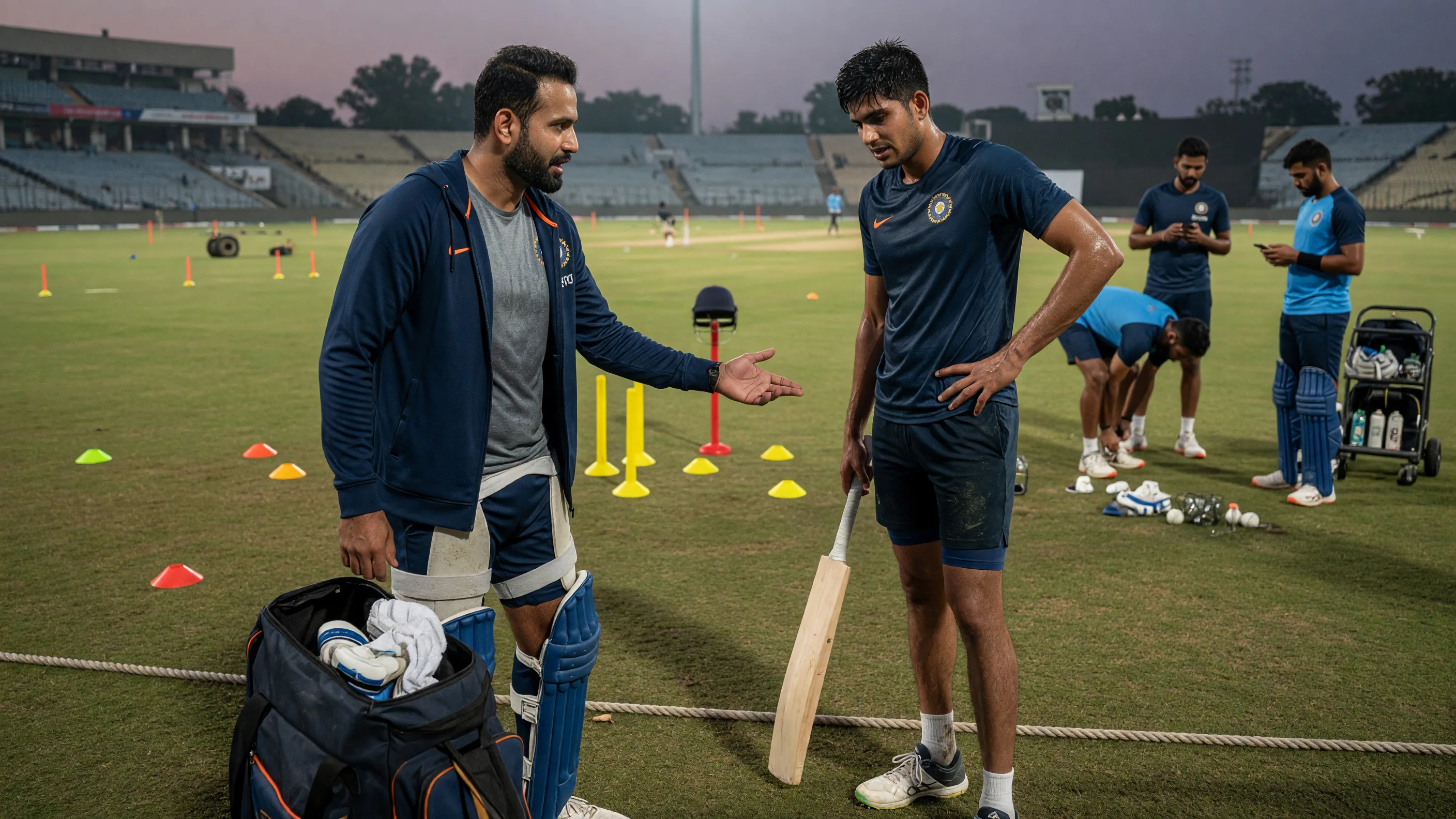
Series post-mortems often chase scapegoats. This one is narrower. The Cricket Times report of Pathan’s YouTube remarks, published under Ekansh Rastogi’s byline on 20 July 2026, ties a clear sequence together: early-series cramps, later discomfort in a huge chase, and a former international saying the pattern must be treated as a priority.
India lost the ODI series to England despite a spirited fight in the final game. That result is the frame. Inside the frame, Gill’s body language became the detail Pathan chose to underline.
Night one marker: retired hurt on 80
In the opening ODI Gill reached 80 and then retired hurt with severe cramps before returning later. The score still looks healthy on a desktop summary. The method of getting there does not. Leaving an innings mid-stream, even temporarily, hands the bowling side a restart and forces the batting side to rebuild partnerships around absence.
Cramps at 80 are not a baggy-eyed net session anecdote. They arrive when a batter is already set, already valuable, already the person the dressing room wants left alone. Pathan’s later comments treat that night as part of a pattern rather than a sealed incident.
There is no medical dossier in the public reporting beyond what was visible and stated: severe cramps, a retired-hurt exit, a later return. That is already enough to start a fitness watch without inventing diagnoses.
Night three marker: discomfort inside the 388 chase
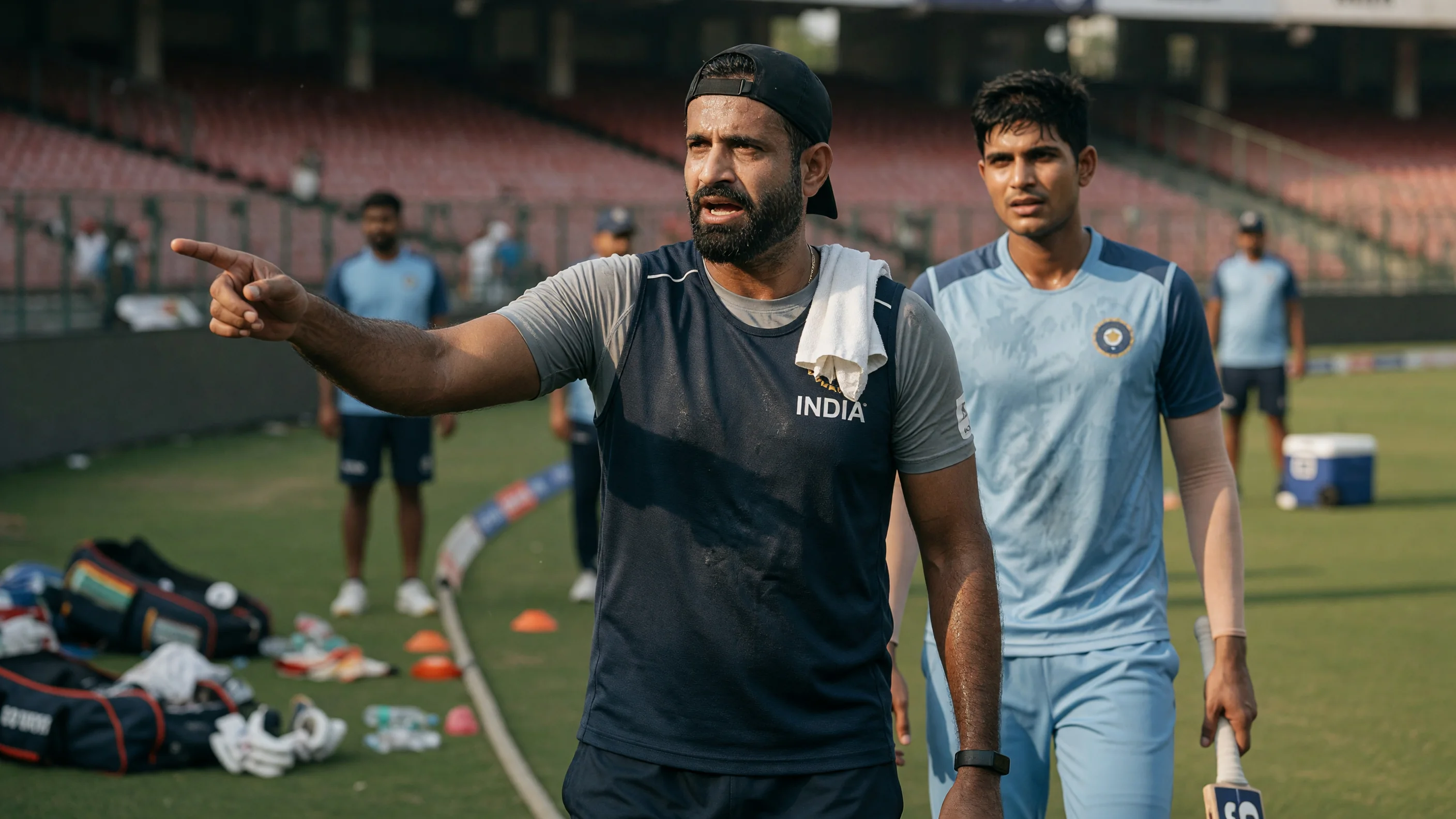
The third ODI asked India to chase 388. Gill made 77 off 84 balls with 10 fours and one six. Again the raw output was respectable. Again the physical subplot refused to leave. He was seen stretching his legs after discomfort at the crease while the chase was still live.
Pathan’s verdict separated skill from durability. The plan was fine. Gill played a good knock. Fitness still had to improve, because repeated trouble breaks momentum and therefore needs more importance.
“The plan was fine. Shubman Gill also played well. No doubt he played a good knock, but he will have to work on his fitness. If he is in trouble again and again, it will break the momentum. He will have to give more importance to this,” Pathan said on his YouTube channel after the third ODI.
Read across both nights and the timeline sharpens. This is not a story about a batter who cannot score. It is a story about a batter whose scoring nights are being interrupted by the body at the exact phase when ODI chases need continuity.
Why momentum breaks cost more near 390
Chasing 388 leaves little margin for polite pauses. Asking rates start stern and stay stern. A set batter’s job is not only to collect boundaries; it is to deny the bowling side free resets. Stretch breaks, treatment delays and tempo drops are legitimate medically and still expensive tactically.
When Gill stops to manage discomfort, the non-striker cools, fielders regroup, and bowlers redraw the next ball without having taken a wicket. In a modest chase those pauses can be absorbed. In a 388 chase they stack against the batting side with interest.
That is the specific logic behind Pathan’s momentum line. He was not denying Gill’s 77. He was pricing the hidden tax around it.
Leadership load on top of batting load
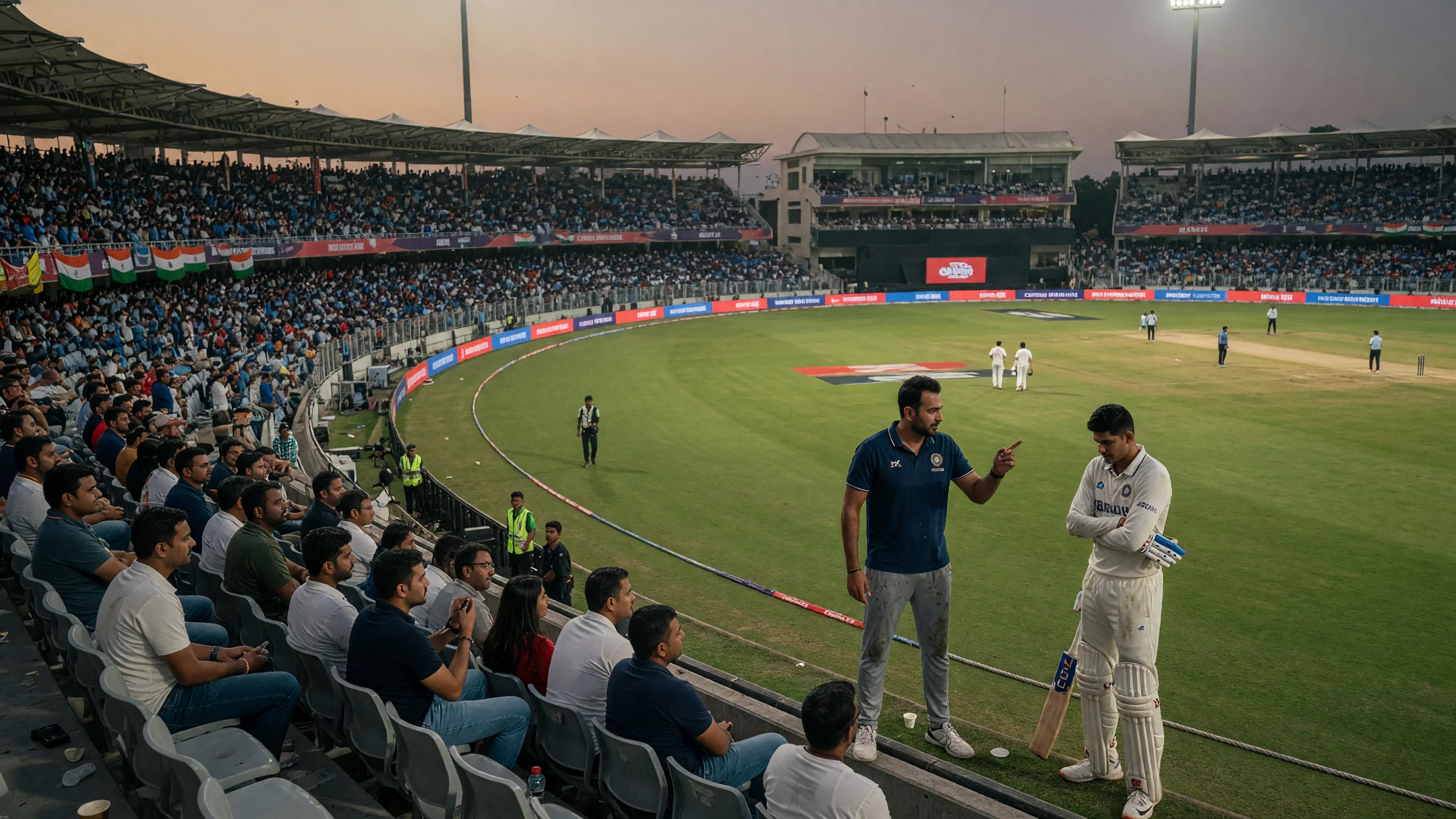
Gill’s series role also included the leadership layer that sits on white-ball captains: bowling changes, field calls, tempo management. Adding repeated physical self-management inside innings multiplies that load. Pathan did not turn the point into a morality play. He kept it operational — give fitness more importance so the same interruption does not keep arriving.
Readers should resist a false binary between “Gill failed” and “Gill thrived.” The verified middle is more useful: he produced two substantial scores and still left the series with a public fitness warning from a former India player who watched the same pattern twice.
Parallel night: Rohit’s century under separate pressure
The same Pathan appearance also praised Rohit Sharma’s third-ODI century of 138 off 110, with 17 boundaries and five sixes, after a poor start to the series. Pathan called Rohit the diamond of Indian cricket for batting without looking under pressure. That praise belongs in the series record. It does not erase Gill’s fitness timeline; it simply proves Pathan was not delivering a single-note rant.
Holding both threads keeps the desk honest. One senior batter reminded everyone of his ceiling. Another was told, with examples from the same rubber, that physical preparation now has to travel with technique.
How readers should use the timeline
Match followers can watch the next extended white-ball innings for cleaner movement rather than for a magic number on the scoreboard. Fantasy readers can keep Gill’s ceiling in view while trimming confidence in full uninterrupted occupations until the stretch-and-stop pattern cools. Neither group needs invented injury names to act on what was already visible.
Captain multipliers are the sharp edge. Multipliers pay when a player stays through milestone phases. If physical management arrives at 70-odd, the ceiling that justified the multiplier can shrink even while the final score still looks tidy.
Two scores, one physical subplot
Average tables can hide the subplot that Pathan emphasised. An 80 and a 77 across a series look like a batter doing useful top-order work. Only the match footage and the retired-hurt detail reveal the cost of collecting those runs. That is why a timeline format is more honest than a single scorecard row.
On night one, severe cramps forced a retired-hurt exit at 80 before a later return. On night three, discomfort arrived again during a 77 in a 388 chase, complete with visible stretching at the crease. Pathan then said the cricket plan and the knock were fine, but fitness had to take more importance because repeated trouble breaks momentum. The sequence is short, specific and sourced. It does not need embroidered drama.
Teams lose chases for many reasons: bowling quality, required rate, middle-order failure, death-over execution. Pathan did not claim Gill alone lost India the rubber. He claimed Gill’s physical interruptions are now frequent enough to matter inside the innings architecture. That is a narrower, tougher, more useful point.
What “work on fitness” means without fake prescriptions
Public commentary loves to prescribe gym blocks, diet charts and secret drills. The source does not do that, so this desk will not invent them. “Work on fitness” here means whatever reduces the chance of the same mid-innings management returning when Gill is already set. Hydration, recovery, workload shaping, soft-tissue care — the menu is long and private. The public test remains simple: cleaner movement through long occupations.
Until that test is passed on the field, readers should keep the dual tag. Gill can still be a high-output top-order option. Gill is also carrying a durability flag raised by a former international after two separate nights in the same series. Dual tags beat hot takes.
The same standard applies to leadership chatter. Captaincy load may amplify the cost of physical trouble, but the reporting does not supply a board verdict on captaincy. Stick to what was shown and said: batting interruptions, Pathan’s warning, series lost, Rohit’s separate century praised.
What is verified and what is not
Verified: India lost the ODI series to England; Pathan spoke after the third ODI about the 388 chase; Gill scored 77 off 84 with 10 fours and one six and was seen stretching after discomfort; Pathan said the knock was good but fitness must improve because repeated trouble breaks momentum; Gill had retired hurt on 80 with severe cramps in the opening ODI before returning; Rohit made 138 off 110 with 17 boundaries and five sixes and was praised as the diamond of Indian cricket; Cricket Times published the report on 20 July 2026.
Not verified in that reporting: a clinical diagnosis, a rehab calendar, a selection ultimatum, or a claim about how India will change warm-up routines. Those absences should stay labeled as absences.
The next checkpoint is practical. If Gill’s next long white-ball innings runs without the same stoppages, the timeline cools into a contained series note. If the cramps or mid-innings discomfort return, Pathan’s warning becomes the first clear public marker in a longer fitness file.
For continuing match notes and series follow-ups, keep reading Consider11 cricket news.