
Rohit Sharma answers series pressure with 138 as Pathan calls him the diamond of Indian cricket
Rohit Sharma walked into the third ODI against England with a quiet series behind him and a loud argument around him. He left it with 138 from 110 balls and a public endorsement from Irfan Pathan that was as direct as the innings itself.
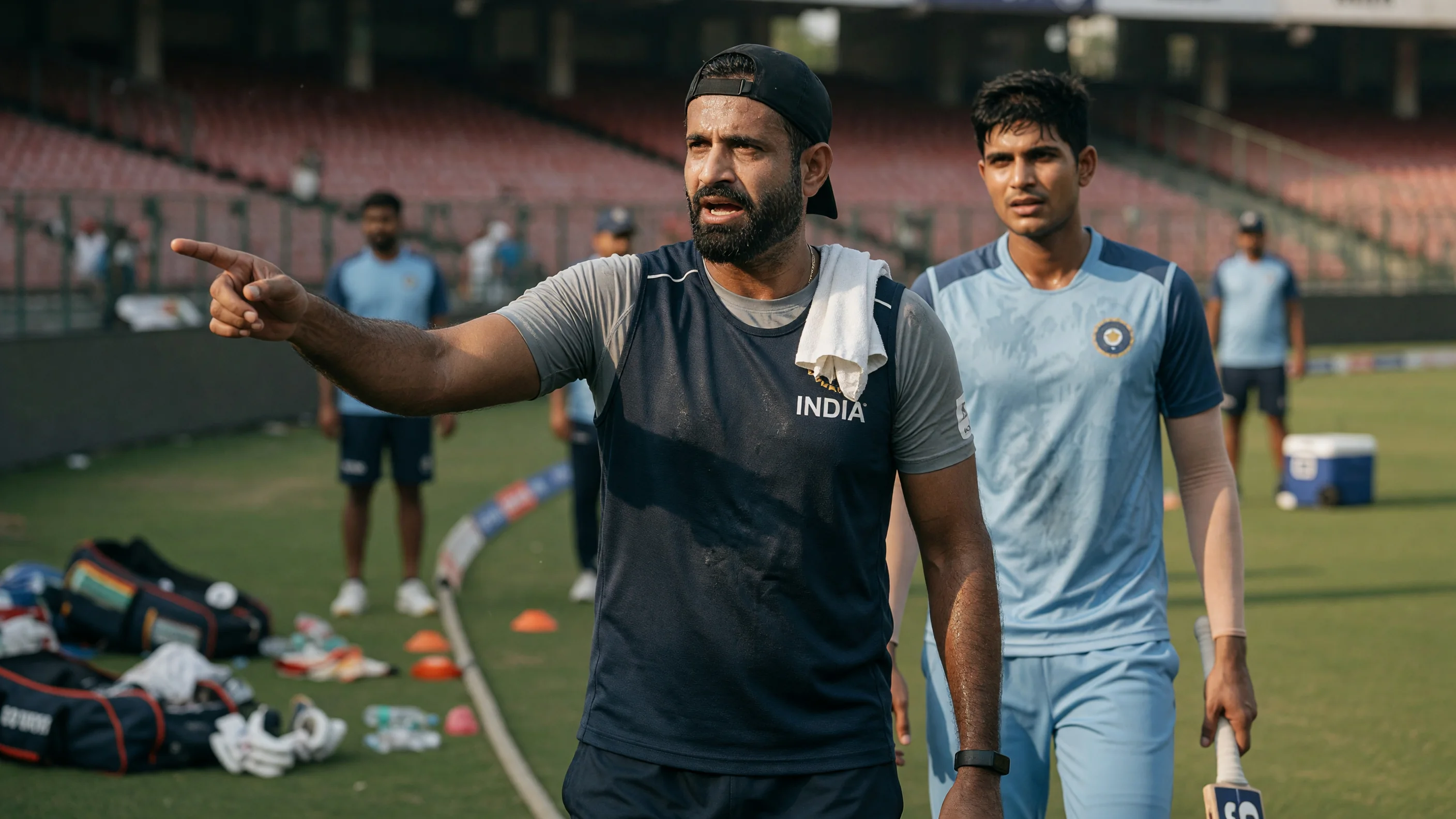
The series result did not flip. England still took the rubber. India’s reply in the decider was spirited without being decisive. Inside that unfinished story sat a separate personal chapter: Rohit had started the series poorly, carried the weight of low scores from the first two ODIs, and then produced a century that Pathan measured in composure as much as in boundaries.
Pathan spoke after the third ODI on his YouTube channel. His praise for Rohit sat beside a tougher note on Shubman Gill’s fitness, but the Rohit section deserves its own clear record. The former India all-rounder was not offering vague nostalgia. He was describing a batter who, under scrutiny, never looked hurried in the face.
The scoreboard Rohit actually posted
In the third ODI Rohit made 138 off 110 balls. The innings held 17 boundaries and five sixes. Those are not ornamental extras. They are the arithmetic of a player forcing a chase conversation against a total that had already climbed to 388.
A century in a lost cause still carries tactical weight. It tells the bowling side their length is being punished. It gives partners a fixed end to bat around. It also resets external noise about form, at least for a night, because the evidence is no longer theoretical. Pathan’s reaction treated that evidence as conclusive on the question of temperament.
Importantly, the reporting trail does not invent earlier match-by-match ball commentary. It states that Rohit began the series poorly and then answered in the third match. That arc is enough to explain why Pathan’s language leaned so hard into pressure and shine.
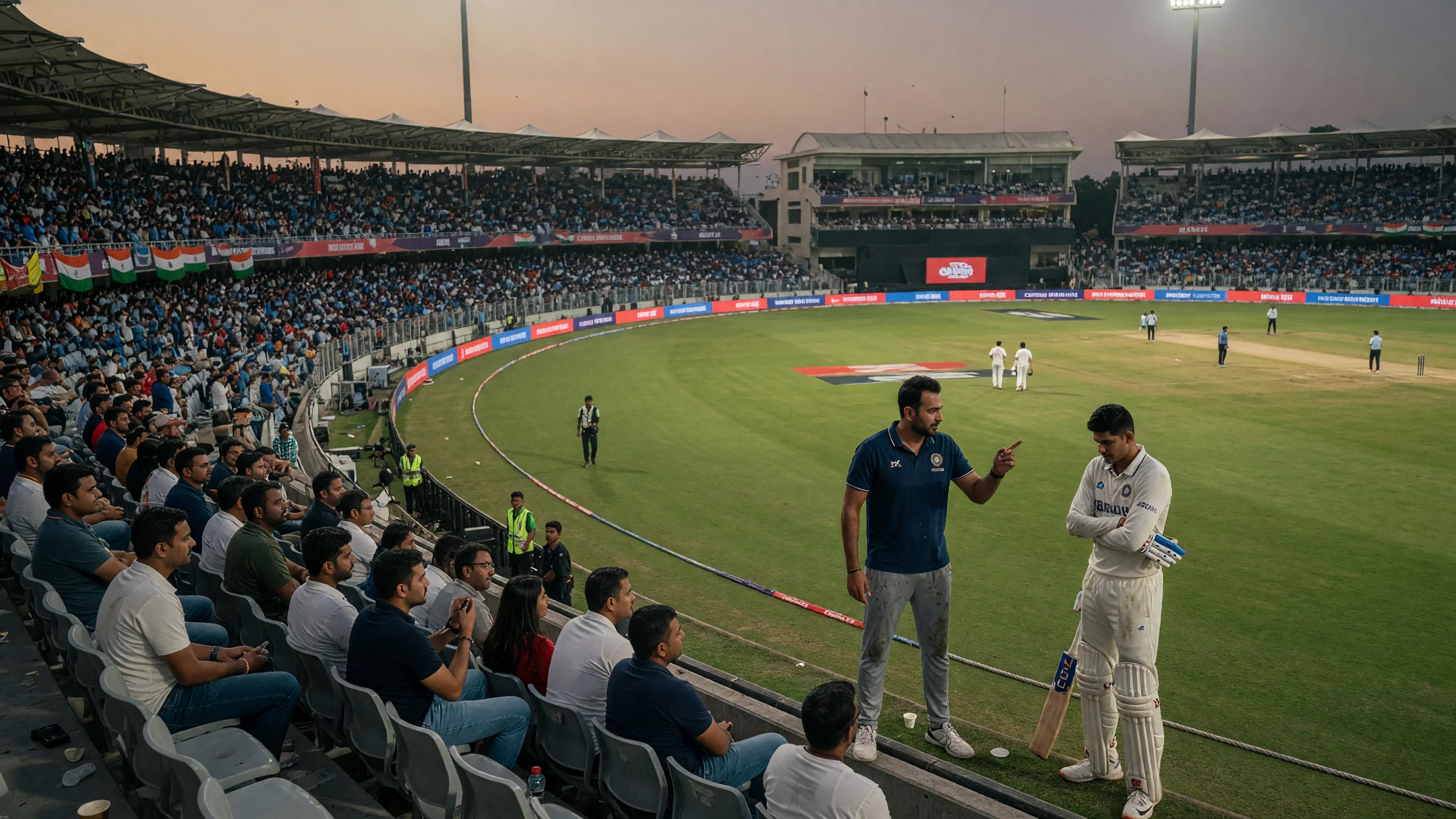
Pathan’s exact praise, kept in context
Pathan said the amount of pressure never seemed to show on Rohit’s face, that the batting was brilliant, and that Rohit looked like a diamond that shines more under pressure. He called him “the diamond of Indian cricket.”
“Given the amount of pressure that was on Rohit, it never looked even once that he was under pressure. He batted brilliantly. He was like a diamond that shines more under pressure. He is the diamond of Indian cricket,” Pathan said.
Those sentences matter because they are not selection leaks or medical notes. They are a senior former player’s on-camera reading of body language and strokeplay after a difficult personal start to a series. Readers can accept the compliment without turning it into a lifetime ranking debate. The claim on the night was simpler: the pressure was real, and Rohit did not bat as if it owned him.
Pathan also had hard words for Gill’s repeated physical trouble in the same series conversation. Holding both notes together is cleaner than picking only the flattering half. Rohit’s century and Gill’s fitness warning are parallel facts from the same post-match briefing, not competing slogans.
Why the century did not rewrite the series
Individual brilliance and series control are different currencies. England had already done enough across the rubber. India’s spirited fight in the final game improved the aesthetics of the defeat without changing the result column. Rohit’s 138 belongs in the match narrative; it does not reverse the series ledger.
That distinction protects the reporting from hype. A diamond innings can coexist with a lost rubber. Pathan’s warmth toward Rohit did not pretend otherwise, and neither should a desk note written for readers who follow both scorecards and series tables.
For India, the practical residue is mixed. They leave with evidence that Rohit can still seize a high-pressure white-ball night. They also leave with Pathan’s separate warning that Gill must treat fitness as unfinished business after discomfort in the 388 chase and earlier cramps that forced him to retire hurt on 80 in the opener.
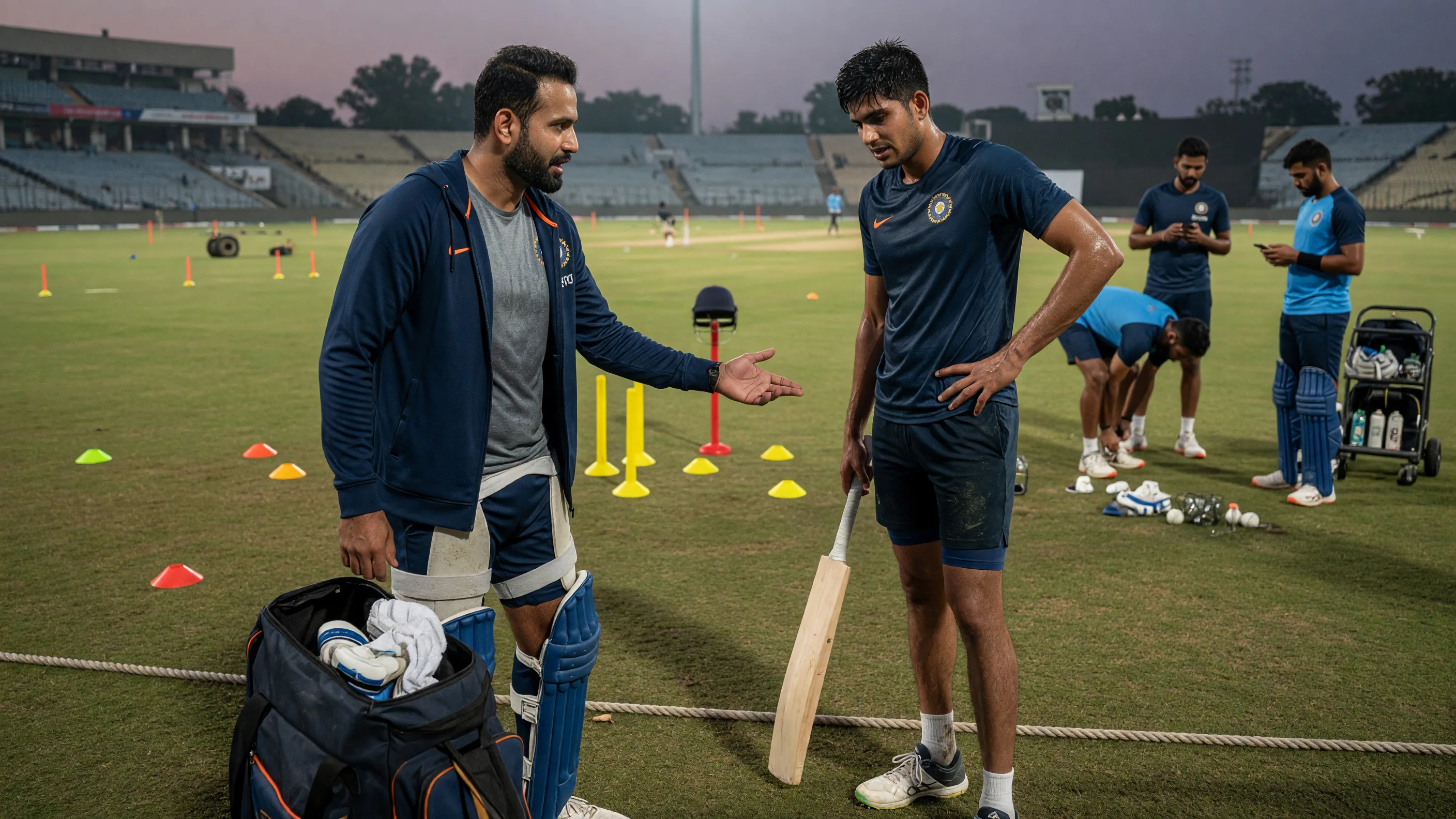
Pressure cricket versus highlight cricket
ODI chases near 390 compress decision-making. Batters either accept risk early or watch the required rate turn hostile. Rohit’s boundary count suggests he refused to let the innings become a slow negotiation with hope. Seventeen fours and five sixes are an aggressive occupation, not a soft floating fifty.
Pathan’s “never looked under pressure” line is therefore doing technical work. It describes tempo and facial calm under a run-rate problem, not a ceremonial veteran lap. When a senior batter holds shape while the chase math is ugly, partners inherit clearer roles. When that same batter also feeds the boundary count, the bowling plan has to split attention between containment and wicket-taking.
None of that requires inventing field placings or over-by-over quotes beyond what the source established. The verified package is already dense: poor series start, third-ODI century, specific ball count, boundary count, Pathan’s diamond phrasing, and a series still lost.
What match and fantasy readers should take
Match readers can file Rohit’s 138 as proof of ceiling under noise. Fantasy readers can file it as a reminder that recent low scores are not always a hard fade when a player’s role stays high and the match state demands acceleration. The caution is obvious too: one repaired night does not erase series context, and India still lost.
Captain multipliers love innings that stay long enough to gather milestones. A 110-ball 138 fits that profile on the night it happens. The responsible follow-up is to watch whether the same freedom appears in the next white-ball block, not to freeze the diamond quote as a permanent form ranking.
Gill’s parallel thread remains relevant for the same audiences. A top-order batter who scores 77 while managing visible discomfort is a different risk asset from a batter who completes the same score in free movement. Pathan forced that conversation into the open after the third ODI. Rohit’s praise does not cancel it.
Reading Pathan’s tone without turning it into mythology
Former players often speak in warm metaphors after big nights. Pathan’s diamond line is memorable, and it should stay attached to the concrete innings that prompted it: 138 off 110 in a lost series decider, struck after a poor personal start. Strip away the metaphor and the usable claim is still strong. Rohit looked unbothered by the noise and still found a high-tempo scoring gear when India needed volume against 388.
That is a better editorial standard than converting one quote into a permanent hierarchy ranking. White-ball roles shift with form, match-ups and workload. Pathan was reacting to a night he had just watched, not publishing a four-year strategic paper. Keeping the praise inside that frame protects readers from both cynicism and hype.
It also keeps space for the harder half of the same appearance. Pathan could celebrate Rohit and still tell Gill that fitness interruptions are now a pattern worth urgent work. Adults who follow cricket can hold both ideas at once. Desks that pretend otherwise usually end up writing fan fiction.
Series arithmetic versus single-innings theatre
England’s hold on the rubber meant India’s final-night fight was about pride, template and individual correction more than about ladder mathematics. Rohit’s century improved the third ODI’s batting story without reopening the series result. Gill’s 77 did similar work for the chase narrative while still leaving Pathan unconvinced on durability.
For broadcasters and clip culture, the century is the easier package. For coaches and selection rooms, the dual package is more honest: a senior batter recovering his shape under scrutiny, and another senior batter being told that physical repeatability now sits beside shot-making on the priority list. The Cricket Times write-up preserves that dual package. So should any desk that claims to brief fantasy and match readers seriously.
If there is a tactical residue for India, it is not a slogan. It is a watchlist. Does Rohit carry the same calm aggression into the next white-ball block? Does Gill complete a long innings without the stretch-and-manage sequence returning? Those are observable questions. They do not require invented injury labels or locker-room fiction.
Locked facts and the honest leftover questions
From the Cricket Times account by Ekansh Rastogi, published 20 July 2026, the locked facts are steady. India lost the ODI series to England despite a spirited final-game fight. Pathan spoke on YouTube after the third ODI about the 388 chase. Rohit scored 138 off 110 with 17 boundaries and five sixes and received Pathan’s “diamond of Indian cricket” praise for batting without looking under pressure. Gill scored 77 off 84 with 10 fours and one six, was seen stretching after discomfort, and had earlier retired hurt on 80 with severe cramps in the opening ODI before returning. Pathan said Gill’s plan and knock were fine but fitness must improve because repeated trouble breaks momentum.
Open questions stay open. The source does not supply a medical label for Gill, a selection meeting transcript, or a claim that Rohit’s century settles longer debates about white-ball hierarchy. Those gaps should remain gaps.
The useful next checkpoint for Rohit is simple continuity: another long innings under match heat without the early-series quiet returning as a multi-match pattern. For the wider India picture, watch whether Pathan’s dual note — warm for Rohit, stern on Gill’s fitness — still matches what the next series shows on the field.
For more series notes and match follow-ups from the same desk, keep reading Consider11 cricket news.