
Irfan Pathan urges Shubman Gill to improve fitness after England ODI series loss
Irfan Pathan has put a clear fitness warning against Shubman Gill’s name after India lost the ODI series to England. Speaking on his YouTube channel once the third one-day international was done, the former India all-rounder said Gill’s recent physical trouble is no longer a one-off inconvenience. It is starting to interrupt the shape of important innings.
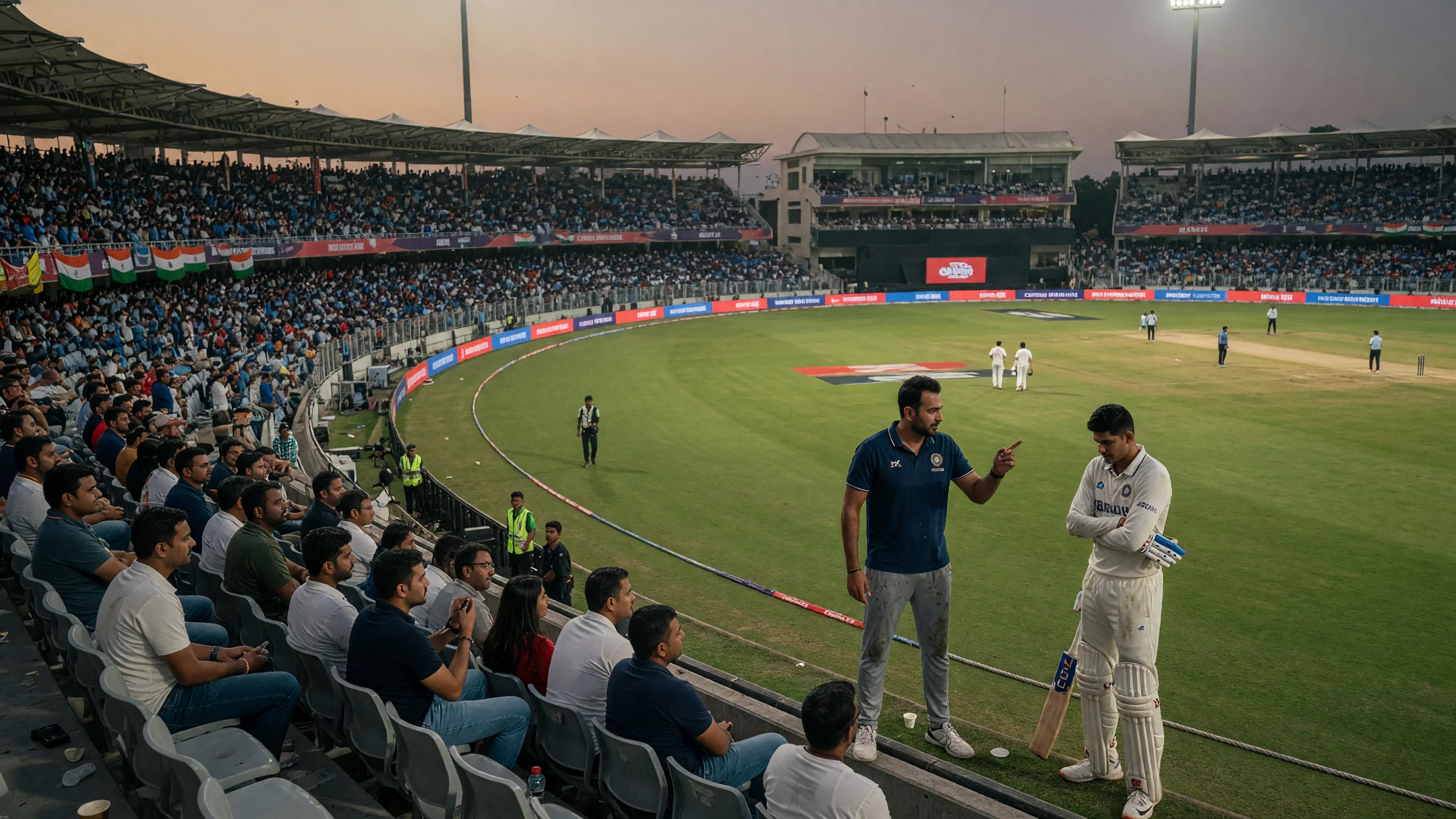
The series result itself is settled. England took the rubber. India still forced a spirited reply in the decider, but the response was not enough to rewrite the scoreboard. What lingered for Pathan was not only the defeat. It was the sight of India’s top-order leader having to manage his body while the chase was still alive.
That is the core of this story: a concrete on-field pattern, a direct assessment from a former international, and a reminder that big ODI totals punish any break in batting rhythm. The numbers from the final game make the concern easier to pin down rather than treat as vague chatter.
What the third ODI actually showed about Gill
India were set 388 in the third ODI. In that chase, Gill made 77 from 84 balls, with 10 fours and one six. On pure scoring terms, the knock was useful. He was still looking for ways to keep the required rate honest while the middle order tried to find partners.
The problem Pathan flagged was not the shot selection board. It was the physical interruption. During the innings Gill was seen stretching his legs after discomfort at the crease. For a batter trying to build through a long chase, every pause matters. The non-striker has to wait. Fielders reset. The bowler gets a free breath. Momentum, already fragile against a total near 390, becomes harder to hold.
Pathan’s reading was blunt and specific. The plan, he said, was fine. Gill had played well. The knock itself was not the issue. Fitness was. If the same trouble keeps returning, it will break momentum, and that is the part Gill must treat with more urgency.
“The plan was fine. Shubman Gill also played well. No doubt he played a good knock, but he will have to work on his fitness. If he is in trouble again and again, it will break the momentum. He will have to give more importance to this,” Pathan said on his YouTube channel after the third ODI.
Those lines matter because they separate two different conversations that often get mixed together. One is whether Gill is scoring enough. The other is whether he can stay physically available for the full length of an innings without the body forcing a gear change. Pathan answered the first point generously and the second point with a warning.
Not a single night’s problem: the opening ODI cramps
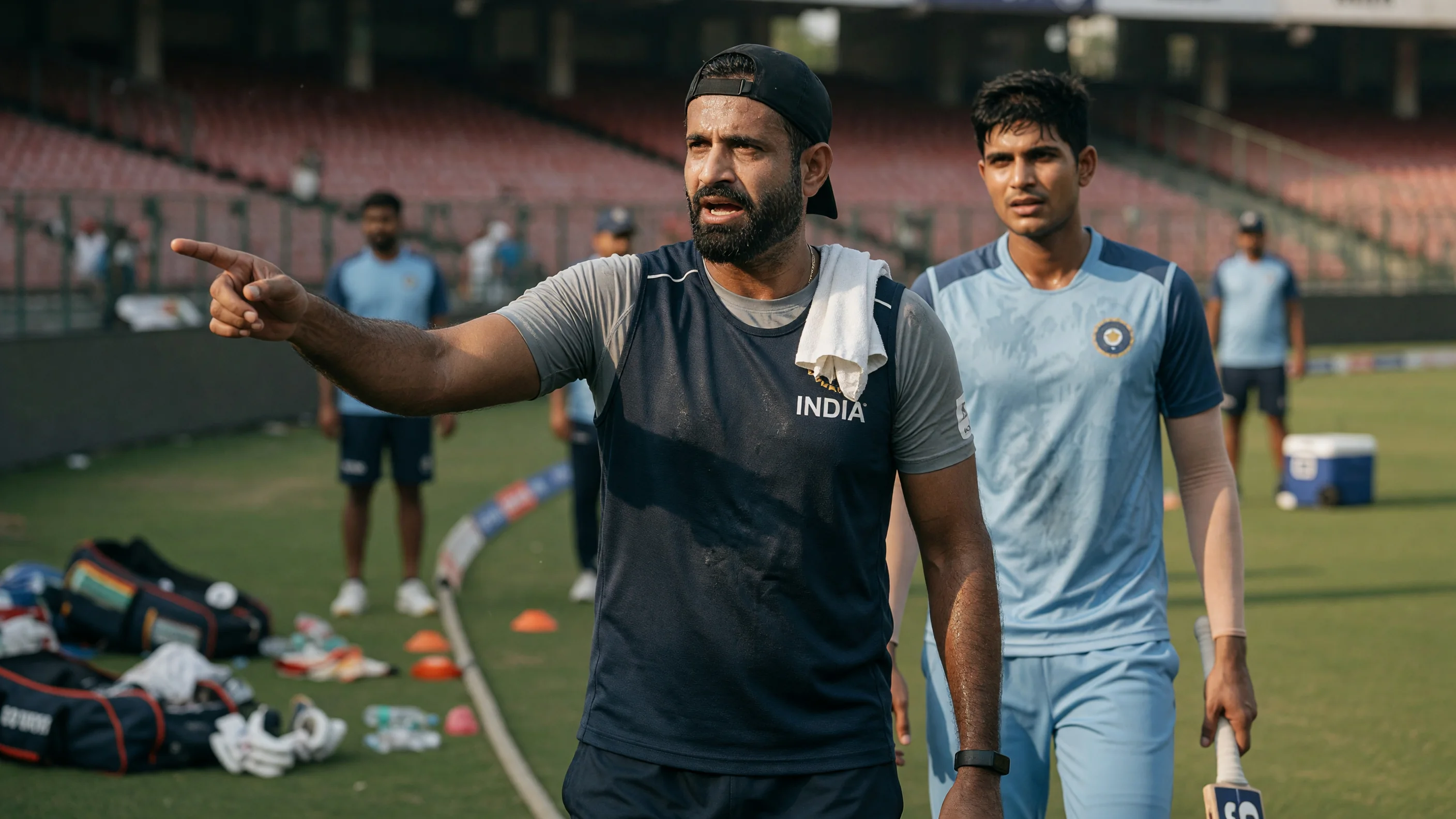
Pathan’s concern lands harder because the third ODI was not Gill’s first physical scare in the same series. In the opening one-dayer he had already retired hurt after making 80, stopped by severe cramps, before coming back later. Two substantial scores, two different nights, and the same theme: the body cutting across the innings.
From a team point of view, that pattern is more expensive than a quiet 20. A batter who reaches 70 or 80 is usually the platform the rest of the order is trying to protect. If that batter then has to leave, stretch, slow down, or manage pain, the dressing room loses both runs already banked in flow and the calm that a set player provides. Partners arrive into a chase that suddenly feels heavier.
ODI cricket still rewards long occupations. The field spreads. Bowlers change ends. Spinners bowl with a plan rather than a one-ball burst. A set batter’s value is not only strike rate; it is continuity. Pathan’s point is that repeated fitness trouble attacks continuity even when the scoreboard column still looks respectable.
There is also a leadership layer. Gill was operating as skipper in the series narrative around these matches. Captains already carry bowling changes, field placements and tempo calls. Adding repeated physical management inside a chase multiplies the load. Pathan did not turn that into a character lecture. He kept the focus practical: give fitness more importance so the same interruption does not keep arriving at the worst moment.
How a 388 chase punishes broken rhythm
Chasing 388 is a special kind of pressure test. The asking rate starts high and rarely offers a soft middle. Batters need clean phases: an early base, a controlled acceleration, and a late surge that does not leave too much for the final five overs. Any forced stoppage, even for legitimate medical reasons, can knock a chase out of sequence.
When a set batter stretches between balls, two things happen at once. The batter’s own timing cools. The bowling side gets a mini-reset without taking a wicket. In English conditions, or any attack that thrives on restarting plans, that free timeout is a gift. Pathan’s warning sits inside that tactical reality rather than as abstract sports-science talk.
Gill’s boundary count in the third ODI shows he still had the skill to pierce the field. Ten fours and a six are not the marks of a player who had lost all fluency. That is precisely why Pathan’s critique is interesting. He was not describing a batter out of form. He was describing a batter whose body threatened to undo good work already done.
Rohit Sharma’s 138 and Pathan’s separate praise
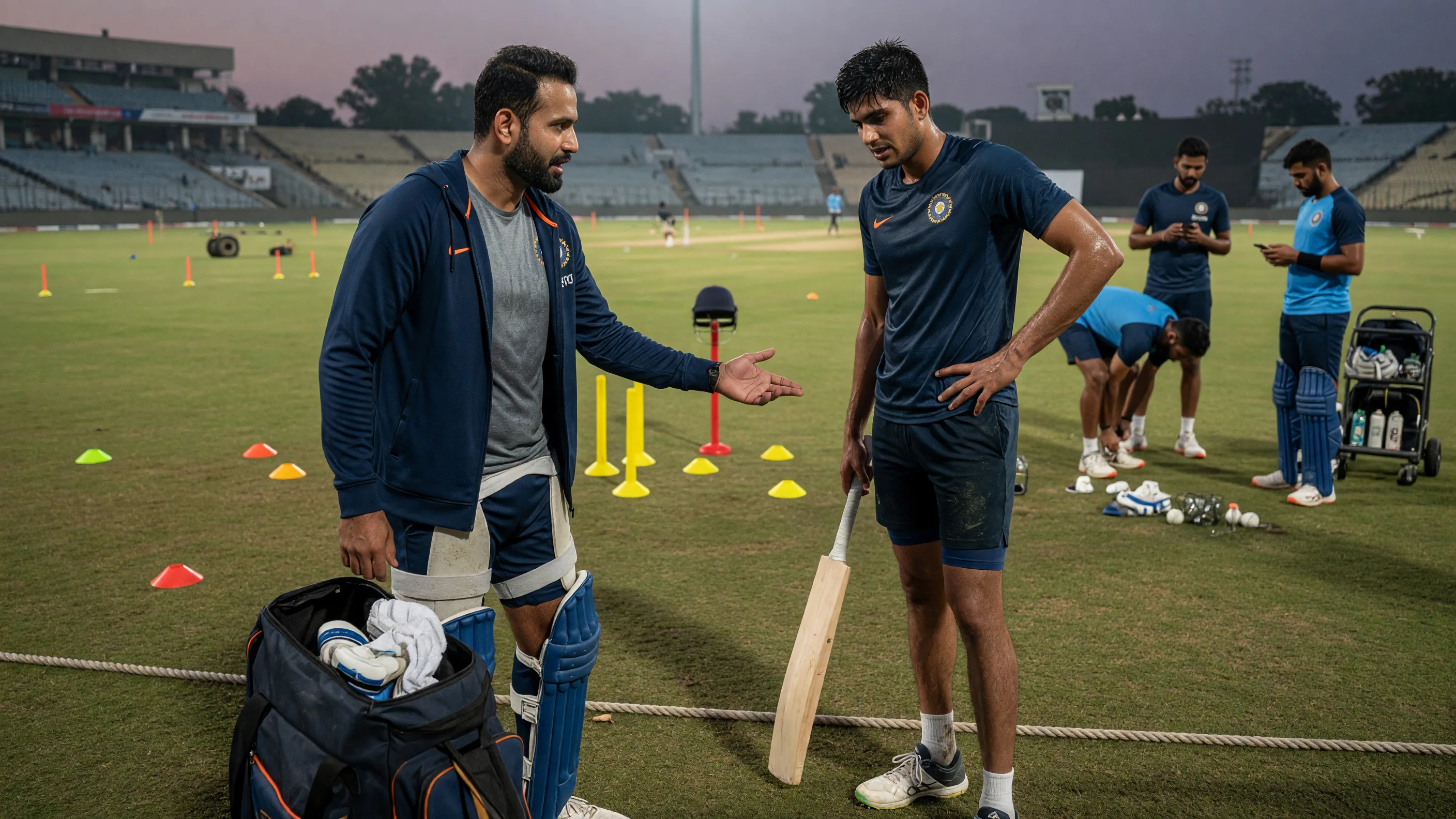
Pathan did not only talk about Gill. He also made space for Rohit Sharma’s third-ODI century, an innings that arrived under a different kind of pressure. Rohit had started the series poorly, with low scores in the first two ODIs and growing outside noise about his place and future. In the third match he answered with 138 from 110 balls, striking 17 boundaries and five sixes.
Pathan’s language on Rohit was warm and absolute in tone. He said the amount of pressure never seemed to show on Rohit’s face, that the batting was brilliant, and that Rohit looked like a diamond that shines more under pressure. He called him “the diamond of Indian cricket.”
“Given the amount of pressure that was on Rohit, it never looked even once that he was under pressure. He batted brilliantly. He was like a diamond that shines more under pressure. He is the diamond of Indian cricket,” Pathan said.
The contrast inside the same post-match conversation is useful. Pathan could recognise a high-class individual century and still refuse to let the series post-mortem become only a highlight reel. Rohit’s 138 did not reverse the series result. Gill’s 77 did not erase the fitness pattern. Both truths can sit in the same briefing without cancelling each other.
For readers following India from series to series, that double note is cleaner than a single emotional headline. One senior batter reminded everyone of his ceiling under scrutiny. Another senior batter was told, publicly and specifically, that physical preparation now has to sit beside technique and temperament on the priority list.
What Pathan’s warning changes for India’s next assignments
India now turns toward the next block of international cricket. The source reporting does not hand down a medical diagnosis, a rehab timetable, or a selection ultimatum. It hands down a former player’s on-camera assessment after a lost series. That is still enough to shape the watchlist.
The practical questions are simple. Can Gill complete long innings without repeated mid-innings management? Do the same cramp or discomfort signs reappear when the workload stacks across back-to-back matches? Does the coaching group change warm-up, hydration, or recovery routines in a way that is visible only through cleaner movement at the crease?
None of those questions require inventing injury labels. They only require watching the same signals Pathan watched: stretch breaks, retired-hurt exits, and any drop in tempo after a batter has already done the hard work of getting set. If those signals fade, the fitness debate cools. If they return in the next white-ball block, Pathan’s clip will look less like a one-night comment and more like an early marker.
Selection debates often jump straight to averages. This one should not. Gill still produced 80 and then 77 in the series story covered here. The concern is durability inside the innings, not a sudden collapse of scoring skill. That distinction should stay intact in any later argument about leadership or batting order.
How fantasy and match readers should use the same facts
Readers who build fantasy sides from international ODIs can translate Pathan’s point without overreacting. A batter who has just made 77 remains a relevant points source. A batter who has now shown discomfort in more than one match of the same series also carries a risk flag for late-innings volume. The sane approach is dual tagging: keep the recent output, and reduce confidence in full-50-over occupation until the physical signs clear.
Captain multipliers are where the caution is sharpest. Multipliers pay when a player stays through the phases that create milestones and death-over strike. If a player is forced into management mode at 70-odd, the ceiling that justified the multiplier can vanish even though the raw score still looks fine on a desktop screen. Prefer confirmed full availability and fluid movement over pure last-match nostalgia.
For head-to-head contests, Gill’s floor may still look acceptable when he is named and batting high. For larger-field contests that need separation, the safer read is to ask whether his recent innings ended with free-flowing acceleration or with visible physical care. Pathan’s clip answers that question for the England series: the care was visible enough for a former international to make it the headline concern.
Broader cricket news readers can file the same facts under team balance. India can absorb one interrupted innings. A pattern across a series is different, especially when the same player is central to both batting and on-field leadership. Pathan treated that as a priority item, not a side note after Rohit’s century praise.
Verified facts, open questions, and the next checkpoint
These are the locked facts from the reporting trail. India lost the ODI series to England despite a spirited fight in the final game. After the third ODI, Pathan discussed India’s chase of 388 on his YouTube channel. Gill scored 77 off 84 with 10 fours and one six in that chase and was seen stretching after discomfort. Pathan said the plan was fine and the knock was good, but fitness must improve because repeated trouble breaks momentum. In the opening ODI, Gill had retired hurt on 80 with severe cramps before returning. Rohit answered a difficult start to the series with 138 off 110, including 17 boundaries and five sixes, and Pathan called him the diamond of Indian cricket. Cricket Times published the account under Ekansh Rastogi’s byline on 20 July 2026.
What remains open is everything medical teams do not announce in a YouTube clip: the exact nature of Gill’s discomfort in the third ODI, any change to his recovery plan, and how soon the same issue might be tested again. Until those details are stated by the player or the board, the honest editorial line is Pathan’s own: the cricket plan can look sound while the body still needs more work.
The next useful checkpoint is not another recycled argument about one scorecard. It is Gill’s next extended white-ball innings under match heat. If he moves freely through a full occupation, the fitness story cools. If the stretches and stoppages return, Pathan’s post-series warning will stand as the first clear public marker of a problem India can no longer treat as random bad luck.
For ongoing match notes, series follow-ups and selection signals from the same desk, keep reading Consider11 cricket news.