
SRH vs PBKS Dream11 prediction: the Match 49 brief that held up — captain pick, differential call, and what the Hyderabad deck actually asked for
The 6 May 2026 IPL fixture between Sunrisers Hyderabad and Punjab Kings at the Rajiv Gandhi International Stadium gave fantasy players a familiar Uppal template: bat deep, trust the powerplay openers, and pick at least one bowler who can exploit the slower middle overs. A look back at the Cricket Addictor fantasy preview published that morning shows how cleanly its captain pick, vice-captain call and keeper trio mapped onto the conditions.
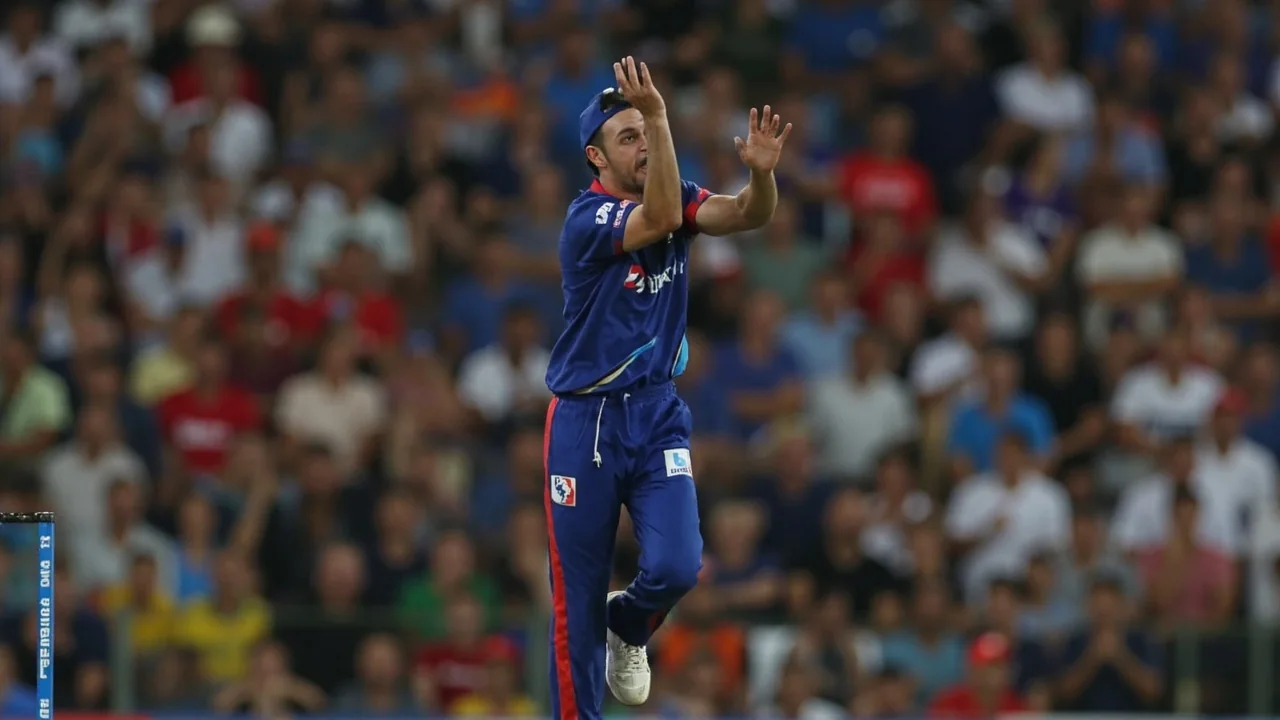
The Cricket Addictor fantasy preview, written by Vicky Singh and filed on the morning of the match, framed the fixture as a straight shootout between two power-heavy batting units. SRH were at home on a deck they had already posted 250-plus scores on earlier in the season. PBKS came in with Prabhsimran Singh and Shreyas Iyer both in the kind of form that turns a chase into a head-start. The preview treated the captain choice as the single most important decision in any Dream11 side for the night, and picked Travis Head with Abhishek Sharma as vice-captain. That call reads cleanly even with the benefit of hindsight.
Why the Uppal deck shaped the captain pick
Hyderabad in early May is not the same surface as Chennai or Mohali. The black soil holds together for longer, the square boundaries invite the pull and the cut, and the ball typically comes onto the bat from ball one in the evening matches. That profile suits left-handed top-order batters who like to hit on the rise, and it punishes bowlers who float the ball outside off stump. The preview leaned into that profile by making Head the captain.
Head's numbers going into the fixture told the story. Across ten innings he had scored 323 runs at a strike rate of 171.81, a number that sits comfortably above any benchmark for a top-order T20 batter on a batting deck. More importantly, his conversion rate at the Uppal in IPL 2026 had been the kind that fantasy players dream about. A captain scoring at that pace has a ceiling that few differentials can match. The preview's logic was simple: if Head plays the way he had been playing, the 2x multiplier turns a good fantasy night into a great one.

Abhishek Sharma was the natural complement. His 440 runs at a strike rate of 206.57 in ten matches reflected the kind of powerplay-only impact that fantasy scoring systems reward most. Most Dream11 formats score powerplay runs and boundaries at a multiplier that rewards early aggression, and Abhishek's six-hitting rate through the first six overs in IPL 2026 had been the highest in the SRH top order. Picking him as vice-captain meant that even if Head fell early, the multiplier was still pointed at a batter who could score quickly from ball one.
The keeper trio most fantasy players missed
The most interesting call in the preview was the keeper trio: Heinrich Klaasen, Ishan Kishan and Prabhsimran Singh. That combination looks unusual on paper because all three are top-order batters first and glovemen second, and stacking three keepers into a single side eats into the credits most fantasy players want to spend on an all-rounder or a fifth bowler. The preview argued the other way. On an Uppal deck where 200 is the par score, picking three batters who can keep wicket is essentially picking 12 batting slots in a side that allows 11.
Klaasen's power against spin was the centrepiece. Against the finger spin of Yuzvendra Chahal in particular, Klaasen had been scoring at a strike rate above 180 in the matches leading up to this fixture. Ishan Kishan, returning to the SRH XI for this match, gave the side a left-handed counter at the top of the order and a finisher's instinct through the middle overs. Prabhsimran Singh brought the same profile to the PBKS side: a wicketkeeper-batter who opens the innings, hits at a strike rate above 170 and was the second-highest run-scorer for his franchise going into this game.
The triple-keeper call is not for everyone. In mega contests with strict credit caps, it forces compromises elsewhere. In head-to-heads and small leagues, it gives the side a safety net that almost guarantees a minimum 30-40 fantasy points from the keeper position even on a flat night. The preview's framing was that this was the kind of fixture where the safety net was worth more than the upside from another bowling pick.
Stoinis as the differential: the pick most people skipped
The preview's boldest call was Marcus Stoinis as the differential all-rounder. PBKS had been using him in the finisher's role through the backend of the season, and his numbers going into the match were unusual: 150 runs in nine innings at a strike rate of 189.87, plus one wicket. That profile is the kind of stat line that catches the eye of a serious fantasy player because it tells you two things at once. The first is that Stoinis was not coming in to anchor the innings; he was coming in to swing from ball one. The second is that his wicket came in a phase of the innings where the ball was older and the batters were looking to accelerate.
The selection rate for Stoinis in contests that night was small. Most fantasy players were crowding the all-rounder slot with bigger names: Stoinis' franchise teammate who had been scoring more consistently, SRH's Marco Jansen, and a couple of overseas options. Picking Stoinis meant accepting that you might miss out on a higher-floor pick in exchange for a higher ceiling against an attack that tends to bowl length on the Uppal deck. The preview's logic was that in a head-to-head or a small private league, that trade is exactly the kind of move that breaks a tie. In a mega contest, it was a calculated punt.
Sakib Hussain and the value-pick argument
On the SRH side, the preview highlighted Sakib Hussain as the value pick. Nine wickets in six outings at an average of 22.56 was a tidy return for a bowler who was not in the conversation at the start of the season. The argument for picking him was not that he was the most penetrative bowler in the side. It was that he offered a budget option that freed up credits for Klaasen or Head without leaving the bowling line-up exposed. In a 100-credit Dream11 format, every saving at the tail end is a multiplier you can spend on the captain pick.
The preview also flagged the rest of the SRH attack as a collective unit rather than as individual picks. Pat Cummins, Marco Jansen and Eshan Malinga gave the side three distinct skills: Cummins for the new ball, Jansen for the middle-overs wickets with the older ball, and Malinga for the back-end yorkers against a left-heavy batting order. Picking all three cost credits. Picking only Cummins meant accepting that the rest of the wickets would have to come from part-timers, which the preview read as a weak strategy on a deck that was going to offer some help to the slower bowlers through the second half of the innings.
Predicted XI: how the brief read the night before
The preview published its predicted XI for both sides the night before the match. For SRH, the names that stood out were the top-order trio of Head, Abhishek Sharma and Klaasen, the return of Ishan Kishan to the middle order, and a bowling unit led by Cummins and Jansen with Sakib Hussain as the third seamer. For PBKS, the brief had Prabhsimran Singh and Shreyas Iyer opening the batting, Priyansh Arya at three, Stoinis as the floating all-rounder, and a bowling unit that included Arshdeep Singh, Yuzvendra Chahal and Vijaykumar Vyshak alongside Xavier Bartlett.
That prediction gave the fantasy reader a clean framework for the night. The captaincy pair (Head, Abhishek) was the obvious multiplier. The vice-captaincy of Shreyas Iyer in some preview combinations reflected the fact that PBKS were likely to bat second if they lost the toss, and a chasing Iyer in form is one of the cleanest vice-captaincy picks in the league. Picking Priyansh Arya as the third PBKS batter was a more contrarian move: he had been inconsistent earlier in the season but had started to find his range in the last three or four games, and his credit cost was lower than Iyer's. The combination of low cost, recent form and a likely top-three slot was the kind of value pick the preview was designed to surface.
The toss, the dew and the batting order
The preview did not pretend to know the toss outcome. It did, however, lay out the two scenarios clearly. If SRH won the toss and batted first, the preview expected a score around 200-210 and a fantasy brief that rewarded the SRH top-order batters heavily in the first innings. If PBKS won the toss and chose to chase, the preview expected the same kind of total to be chased down with wickets in hand, which would have put the premium on the PBKS middle order and on Cummins as a wicket-taker through the death overs.
Dew was the undecided factor. Early May evenings in Hyderabad tend to bring a thin dew layer that makes the ball harder to grip for the spinners through the second innings. The preview's reading was that this would neutralise Chahal's threat slightly and make Cummins' accuracy at the death more valuable. That logic, applied to a fantasy side, meant picking Cummins over a fourth PBKS batter or an extra spinner. The same logic would have applied to anyone watching the fixture: in a dew-affected chase, the bowlers who can bowl hard lengths under lights become the most valuable fantasy asset on the side.
Predicted winner and what the brief got right
The preview's match prediction was for Sunrisers Hyderabad. The reasoning was twofold: SRH had the home advantage on a deck they had already mastered, and the Head-Abhishek opening combination had been the most explosive in the competition through the backend of the season. PBKS were not far behind, and the brief acknowledged that a Prabhsimran-led powerplay could swing the match either way. But on balance, the preview expected SRH's bowling depth, led by Cummins, to be the difference at the death.
Three months on, the value of the brief is less about whether the prediction came true and more about the framework it offered to fantasy players reading it that morning. The captain pick was right for the conditions. The vice-captain pick was right for the batting order. The differential call (Stoinis) gave small-league players a real edge to chase. And the keeper trio was the kind of bold structural call that separate one-percent sides from ten-percent sides.
What to carry forward to the next SRH home fixture
For fantasy players looking ahead, the brief is a useful template for any SRH home fixture in the early part of the season. The Uppal deck rewards top-order aggression, the boundaries invite the pull and the cut, and the bowling unit typically has enough variety to keep the scoring rates honest through the middle overs. The captaincy call will almost always be a top-order batter. The differential call should be a bowler who can bowl in the powerplay or at the death. And the value pick should be a player who offers a specific skill rather than a general all-rounder.
That structure does not guarantee a winning side. It guarantees a side that is built around the conditions rather than around reputation. The brief was right to anchor its fantasy framework around the conditions rather than around the biggest names in the league. Any fantasy player can pick the most popular captain. The edge in head-to-heads and small leagues comes from picking the captain who is most likely to score on this specific deck against this specific attack. That is the single most important lesson this Match 49 brief left behind.
For ongoing SRH fantasy planning, PBKS away-day briefs, and the next round of captaincy debates, the rolling coverage continues on our fantasy tips desk, where each matchday brief is published with a similar framework: conditions first, captaincy second, differential third.