
India vs England 3rd Test at Lord’s, July 2025: the fantasy XI brief that still holds up
On 4 July 2025, six days before India and England met for the third Test at Lord’s, a compact fantasy brief circulated with a clear captain, a conditional vice-captain, a short list of red-ball anchors, and a 4-2-3-1 balance built for a seaming first session and a turning fourth day. This is a retrospective reading of that brief, written for managers who still use Test weeks the same way.
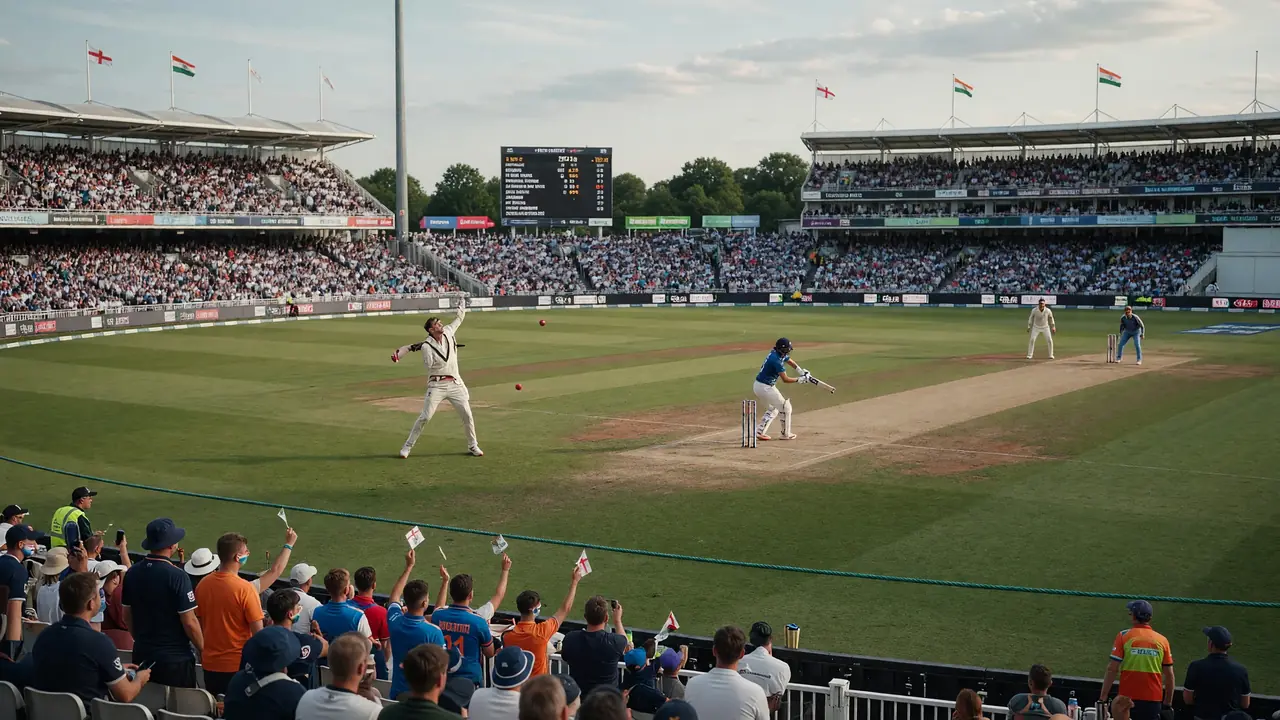
The source brief, published by Tapmad on 4 July 2025, treated the Lord’s fixture as a five-day allocation problem rather than a single-match guess. Shubman Gill sat at the top of the captain list after consecutive centuries earlier in the series. Jasprit Bumrah was held as vice-captain only if he returned after being rested in the previous Test. Joe Root, Yashasvi Jaiswal, Ben Stokes and Ravindra Jadeja filled the high-floor core, while Shoaib Bashir, Mohammed Siraj and Kuldeep Yadav sat in the budget lane.
Nothing in that structure was flashy. It was a red-ball plan: pay for batting continuity, protect bowling overs across both innings, and leave one or two cheap spinning overs for Days 4 and 5. Managers who still build Test sides around captain certainty and role clarity can pull the same checklist into any England–India week.
What the 4 July brief actually locked in
The locked calendar facts were simple. The third Test was scheduled at Lord’s from 10 July 2025. The preview itself carried a datePublished stamp of 2025-07-04T08:42:32.000Z. Weather notes pointed to mild rain on a couple of days without a major cut in playing time, which mattered only because early moisture can keep the new ball honest for longer at the start of each innings.
On personnel, the brief named Gill as India’s captain and opener and as the primary fantasy captain after back-to-back hundreds. Bumrah’s vice-captain case rested on a return to the XI after a rest, with his earlier impact at Leeds used as the reference point. Jaiswal was framed as a safe Indian batting hold on 2025 form. Root was called England’s most reliable red-ball run-scorer and a top Test fantasy contributor. Harry Brook was listed as the aggressive middle-order option; Ben Duckett was noted for contributions that included a century at Leeds.
All-round cover went to Stokes and Jadeja, with Jadeja marked up specifically for Days 3 to 5 once the surface started to turn. Budget and sleeper names included England off-spinner Shoaib Bashir — flagged for a recently debuted carrom ball — plus India’s Mohammed Siraj and Kuldeep Yadav. The suggested balance was four batters (including Gill and Root), two all-rounders (Jadeja and Stokes), three bowlers with at least one spinner and two seamers, and one wicketkeeper from Pant or Bairstow.
Why Gill took the armband
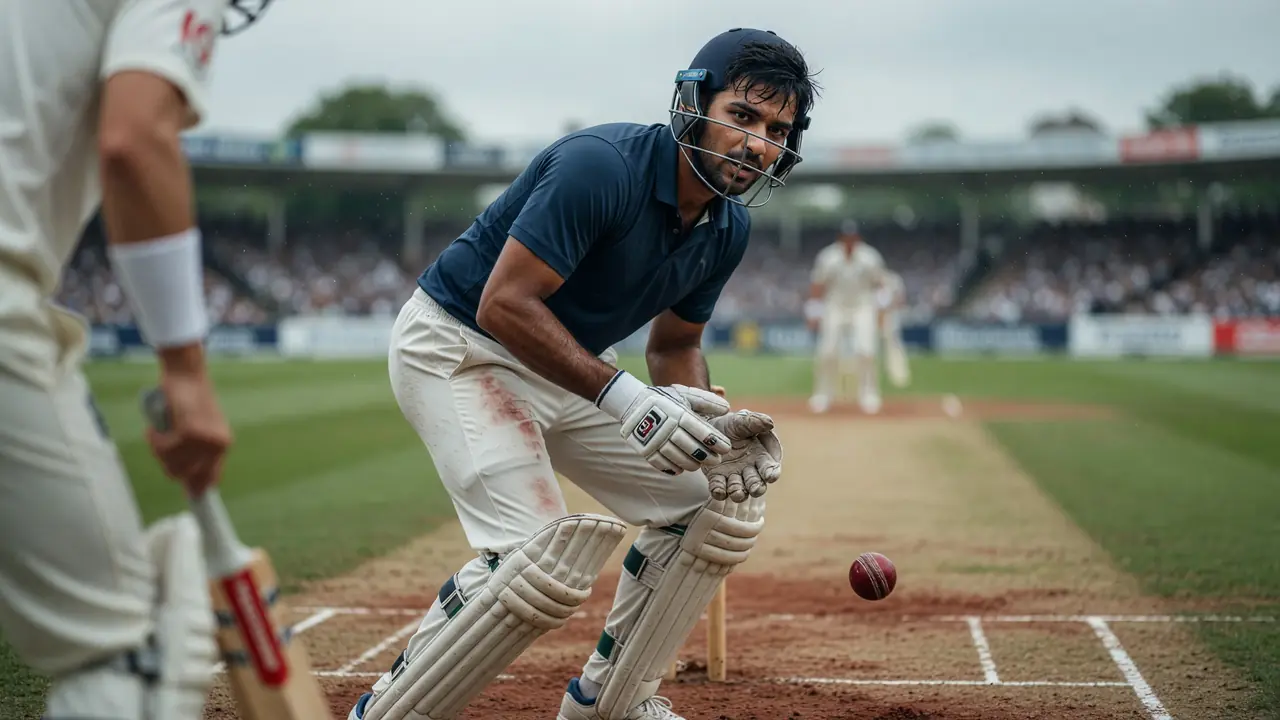
Captaincy in a five-day contest is less about a single explosive hour and more about volume across two innings. The July brief put Gill first because the form evidence was already on the board: back-to-back centuries in the previous Tests, plus the dual role of India captain and opener. That combination matters in fantasy scoring. An opener who stays set through the new ball collects runs, boundaries and the bonus lanes that sit behind long occupations. A captain who also opens multiplies those lanes twice if the armband is correct.
The brief did not invent a new story for Gill. It simply refused to rotate away from the batter who had already solved the series conditions twice. For managers reading the same series now as history, the lesson is still clean: when a top-order batter has stacked consecutive hundreds and keeps the same batting slot, the captain default is the player already carrying volume, not the next headline name.
Jaiswal sat one tier below as the safer supporting Indian bat. The brief called him a form hold across the 2025 season rather than a speculative upside dart. In a 4-batter shell that already spent heavily on Gill and Root, Jaiswal’s job was floor — keep the India batting half from collapsing if one of the anchors failed on a seaming morning.
Bumrah as a conditional vice-captain, not an automatic one
The most disciplined line in the original brief was the Bumrah clause. He was recommended as vice-captain only if he returned at Lord’s after being rested in the previous Test. The reference point was his impact at Leeds earlier in the series. That is a role-lock rule dressed as a player pick.
Test fantasy sides fail when managers pre-load a rested bowler and then scramble after the XI is out. The July plan avoided that trap. Bumrah’s ceiling as a vice-captain was obvious on a Lord’s surface expected to help seamers early: new-ball overs, reverse later, and the chance of multi-innings wickets. But the brief made selection contingent on availability. No return, no armband. That single condition is still the right way to handle workload-managed quicks in any long series.
Siraj sat beside that conversation as the budget seam alternative. He was not sold as a like-for-like replacement for Bumrah’s ceiling. He was the cheaper way to keep two India pace overs in the three-bowler band if the attack needed breadth rather than a single star multiplier.
England’s batting spine: Root first, then Brook and Duckett
Root’s place in the brief was structural. He was identified as England’s most reliable red-ball run-scorer and a top Test fantasy point-getter. In a contest where England bat twice and Root regularly sees 100-plus balls across a match, reliability is not a soft word. It is the difference between a batter who needs a miracle session and a batter who can still clear 50 fantasy points through accumulation alone.
Brook was the contrast pick: aggressive middle-order scoring for days when the ball got older and the field spread. Duckett’s note was more specific — contributions that already included a century at Leeds — so he entered as proof of series form rather than as a pure brand name. Together, the three names gave managers a clear England batting ladder: Root as the locked core, Brook as the upside middle, Duckett as the series-form left-hand option at the top.
That ladder still maps cleanly onto modern Test construction. Pay for the batter who occupies the crease, then decide whether the second England bat should chase ceiling (Brook) or confirmed series output (Duckett). The July brief did not force both; it named both so managers could choose against salary and contest type.
All-rounders for five days: Stokes plus Jadeja’s late-match value
Stokes and Jadeja were the nominated all-round pair, and the brief split their value by match phase. Stokes was the classic both-innings contributor: lower-order runs, overs with the ball, and the captaincy aura that often keeps him in the game even on quiet batting days. Jadeja was timed differently. He was valued especially on Days 3 to 5 when the pitch turns.
That split is the useful part. Many managers treat all-rounders as identical points engines. The Lord’s plan treated them as staggered assets. Stokes could score from session one. Jadeja’s bowling overs became more precious as the surface wore and as part-time spin stopped being enough. Keeping both meant the side was not forced to choose between early seam control and late turn.
For salary-cap builders, the implication is still practical. If the budget only allows one premium all-rounder, the choice depends on which half of the match you are underwriting. Early seam contests lean Stokes. Contests that live or die on fourth-innings bowling lean Jadeja. The original brief simply refused to make that trade and held both.
Lord’s conditions and the bowling mix
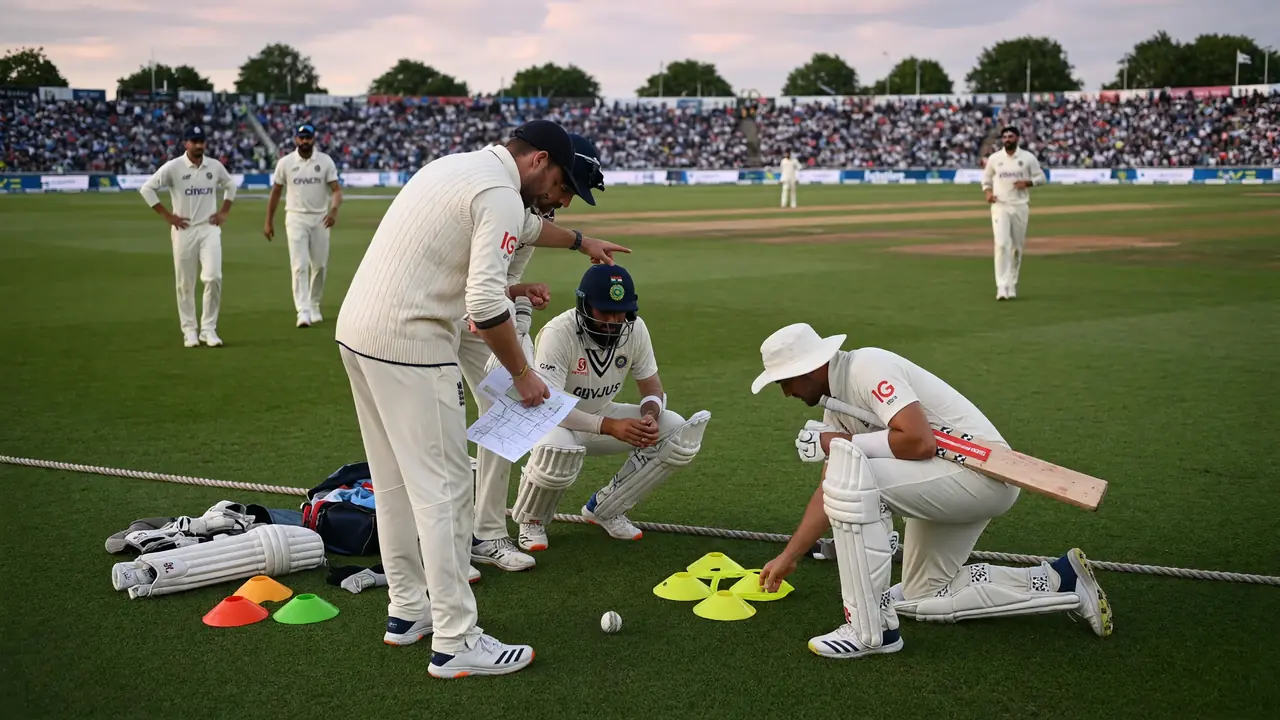
Venue notes in the brief were traditional rather than dramatic. Lord’s was described as assisting seamers early because of the slope and green cover, with later wear expected to help spinners on Days 4 and 5. Mild rain on a couple of days was expected to add early seam movement without wiping out large blocks of play.
That reading produced a simple bowling shell: at least two seamers and at least one specialist spinner inside a three-bowler band, with Jadeja already covering extra spin overs from the all-round slot. Bashir entered as the England budget spinner, with a recently debuted carrom ball noted as a small variation rather than a guaranteed wicket machine. Kuldeep sat as India’s wrist-spin counter if the surface offered grip later in the match.
The weather line is easy to overread. The brief did not promise a washout or a pure seam lottery. It said mild rain might keep the new ball lively. For fantasy purposes that only changes one thing: do not underweight the opening bowlers on either side when moisture is in the forecast, and do not abandon the spinner who is meant to finish the contest.
The 4-2-3-1 template managers can still reuse
The suggested team balance was explicit:
- 4 batters, including Gill and Root
- 2 all-rounders in Jadeja and Stokes
- 3 bowlers with at least one spinner and two seamers
- 1 wicketkeeper from Pant or Bairstow
That is a classic Test template, not a T20 smash-and-grab. Four batters protect against a single failure on a green morning. Two all-rounders keep bowling overs without emptying the batting card. Three bowlers force a real choice between pure pace and spin cover. One keeper prevents double-keeper experiments that usually waste a credits slot in red-ball scoring.
Pant versus Bairstow was left as a binary rather than a deep ranking. Both are batting keepers. The brief did not invent extra stumpings math or force a national preference. Managers were expected to pick the keeper whose batting role looked more secure once the XIs were out. That restraint is worth keeping. In Tests, the gloves matter, but long batting minutes matter more.
Budget lane: Bashir, Siraj, Kuldeep
The sleeper tier was short and purposeful. Bashir gave England a cheap spin overs path and a variation note through the carrom ball. Siraj kept India seam depth available if Bumrah’s workload or availability forced a different attack shape. Kuldeep offered India a second spinning mode if the fourth-day surface rewarded wrist spin more than finger spin.
None of those names were sold as automatic starters in every fantasy build. They were the release valves when the premium core of Gill, Root, Stokes, Jadeja and a returning Bumrah left little salary for a sixth star. That is still how Test budgets should work: spend first on locked roles, then use one cheap bowler to finish the overs map.
What still transfers to today’s fantasy cricket desks
Read as history, the July 2025 Lord’s brief is less interesting as a list of names and more useful as a method. It dated the fixture correctly. It separated confirmed form (Gill’s centuries, Root’s red-ball reliability, Duckett’s Leeds hundred) from conditional upside (Bumrah’s return). It timed Jadeja’s value to the back end of the match. It wrote a venue story that matched a seaming start and a spinning finish. And it refused to abandon structure for a bag of differentials.
Managers building England–India or other long-format contests can still run the same five checks before lock-in:
- Is the captain already producing multi-day volume in this series?
- Is the vice-captain actually in the XI, or only in the squad?
- Does the venue ask for early seam and late spin in the same XI?
- Are both all-rounders doing different jobs across the five days?
- Is the budget bowler covering a real overs gap, not just filling a cheap slot?
Those checks are why the brief still reads cleanly more than a year later. It did not chase noise. It allocated roles against a known ground and a known series state.
Verified record and open edges
Verified from the Tapmad brief dated 4 July 2025: Lord’s hosted the third Test from 10 July; Gill was the top captain recommendation after consecutive centuries while opening and leading India; Bumrah was the vice-captain only if he returned from rest, with Leeds as the form reference; Jaiswal, Root, Brook and Duckett covered the main batting notes; Stokes and Jadeja were the all-round pair, Jadeja especially for Days 3–5; Bashir, Siraj and Kuldeep were the budget bowling names; the shape was 4 batters, 2 all-rounders, 3 bowlers and 1 keeper (Pant or Bairstow); Lord’s was expected to help seam early and spin later; mild rain was forecast without major play loss.
Open edges the source did not settle include final XIs on the morning of 10 July, exact overs shares inside each attack, and any late fitness switches after the preview window. Those belong to match-day notes, not to this retrospective.
For more role maps, captain frameworks and contest construction notes, explore Fantasy Cricket on Consider11.